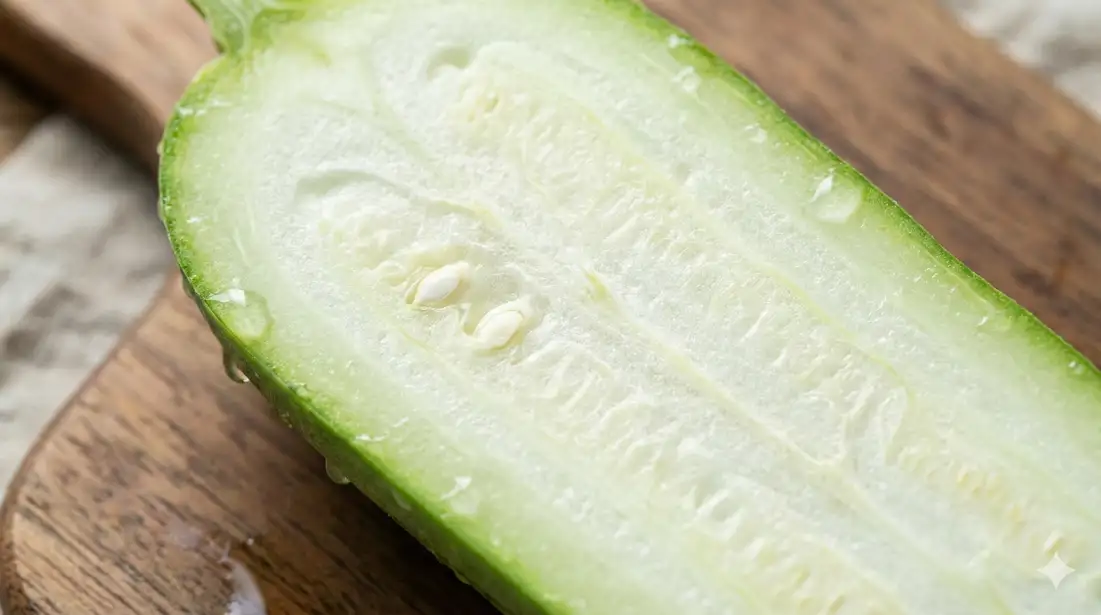
Most people know luffa (also spelled loofah) as a natural bath sponge, but this versatile gourd is actually a delicious vegetable when harvested young. Popular throughout Asia for centuries, young loofah as vegetable has a mild, slightly sweet flavor similar to zucchini and a silky texture when cooked. Whether you're growing your own or found fresh luffa at an Asian market, this comprehensive guide will teach you everything about cooking with this nutritious gourd.
From selecting the perfect specimen to mastering traditional preparation techniques, you'll discover why luffa deserves a place in your kitchen. We'll explore its nutritional benefits, preparation methods, and authentic recipes that showcase this underappreciated vegetable.
What is Luffa as Food?
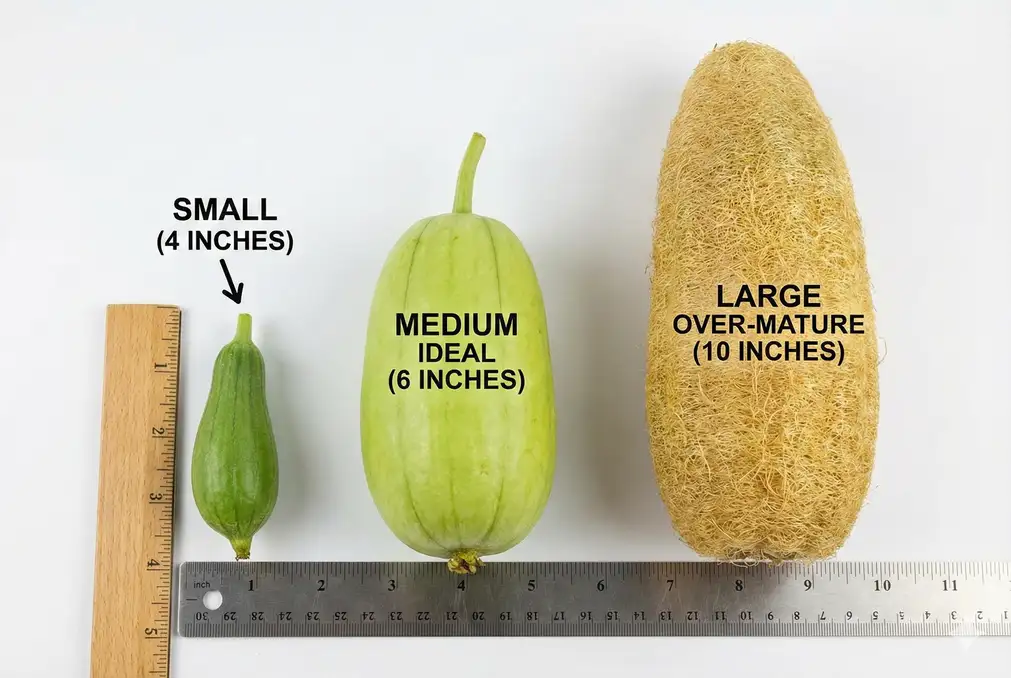
Luffa (Luffa aegyptiaca or Luffa acutangula) is a member of the cucumber family grown both as a vegetable and, when mature, processed into natural sponges. The key to eating luffa is harvesting young for eating when the gourd is young, tender, and typically 4-6 inches long.
- Young vs. mature: Young luffa (4-6 inches) is tender and edible; mature luffa (12+ inches) develops tough fibers for sponges
- Two main types: Smooth luffa (cylindrical) and ridged luffa (angled); both are edible and delicious
- Common names: Chinese okra, vegetable gourd, sponge gourd, silk squash, or simply "si gua" in Chinese
- Taste profile: Mild, slightly sweet, with a texture similar to zucchini but more delicate
- Harvest timing: Pick when 4-6 inches for best texture; larger gourds become fibrous quickly. Learn more about timing harvest for food vs sponge
The ridged variety (Luffa acutangula) is more commonly eaten in Asian cuisines, prized for its ability to absorb flavors from broths and sauces. Luffa absorbs curry spices beautifully, making it a favorite in Indian cooking. If you're growing your own, check out our guide on grow your own culinary luffa to maximize your harvest for both culinary and craft purposes.
Nutritional Benefits of Luffa
Luffa is not only delicious but also incredibly nutritious, making it an excellent addition to a healthy diet. This low-calorie vegetable packs impressive nutritional value per serving.
| Nutrient | Per 100g (3.5 oz) | Health Benefits |
|---|---|---|
| Calories | 20 calories | Excellent for weight management |
| Dietary Fiber | 2.0g | Supports digestive health, promotes satiety |
| Vitamin C | 12mg (13% DV) | Immune support, antioxidant properties |
| Vitamin A | 300 IU | Eye health, skin health |
| Potassium | 139mg | Heart health, blood pressure regulation |
| Iron | 0.4mg | Blood health, energy production |
| Water Content | 94% | Hydration, low calorie density |
Beyond basic nutrition, luffa contains beneficial compounds including carotenoids, flavonoids, and phenolic acids that provide antioxidant benefits. Luffa has been used in Chinese medicine for centuries to support respiratory health and reduce inflammation.
How to Select and Store Fresh Luffa
Choosing the right luffa at the market and storing it properly ensures the best flavor and texture in your dishes.
Selecting Fresh Luffa
- Size: 4-8 inches long (smaller is more tender)
- Color: Bright green with no yellowing or brown spots
- Firmness: Should feel firm but not rock-hard when gently squeezed
- Skin: Smooth or ridged skin should be intact, not wrinkled or soft
- Weight: Should feel heavy for its size, indicating good moisture content
- Fuzz: Young luffa may have fine fuzz or tiny prickles (normal and edible)
- Large size: Over 10 inches long (will be fibrous and bitter)
- Yellow or brown: Indicates over-maturity or age
- Soft spots: Shows decay or damage
- Wrinkled skin: Sign of dehydration or old age
- Too light: May have dried out inside
- Cuts or bruises: Will spoil quickly
Storage Guidelines
- Refrigerator: Store unwashed in a plastic bag in the crisper drawer for up to 5-7 days
- Don't wash before storing: Moisture promotes mold; wash just before cooking
- Check regularly: Remove any that start to soften to prevent spoilage of others
- Use quickly: Unlike winter squash, luffa doesn't improve with age; use within a week for best flavor
- Freezing: Blanch sliced luffa for 2 minutes, cool in ice water, drain, and freeze for up to 3 months (best for soups)
- Preserve young luffa: You can also preserve young luffa in brine for longer storage
Basic Preparation: Peeling and Cutting
Proper preparation is key to achieving the best texture and flavor from luffa. Unlike zucchini, the ridged skin of most edible luffa varieties needs to be removed.
Step-by-Step Preparation
- Wash thoroughly: Rinse under cold water to remove dirt
- Trim ends: Cut off both ends of the luffa
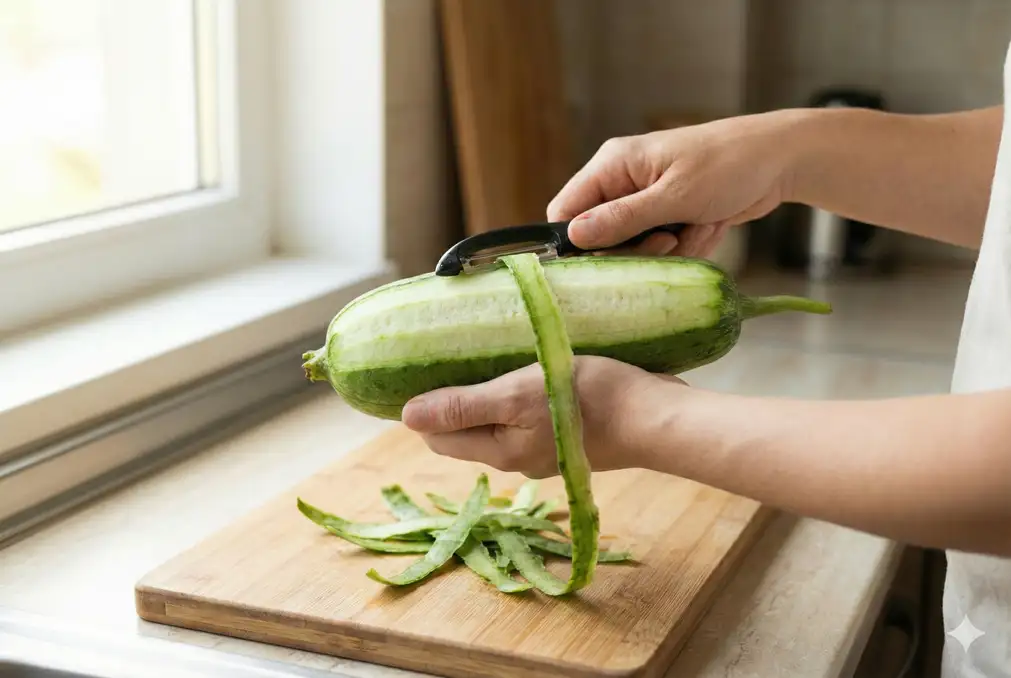
- Peel the ridges: Use a vegetable peeler or paring knife to remove the raised ridges (for ridged luffa)
- Remove remaining skin: Peel any remaining dark green skin, leaving the light green flesh
- Alternative method: Some cooks peel in strips for a striped appearance that's visually appealing
Note: Very young, tender luffa (under 4 inches) may not need peeling; just scrub gently.
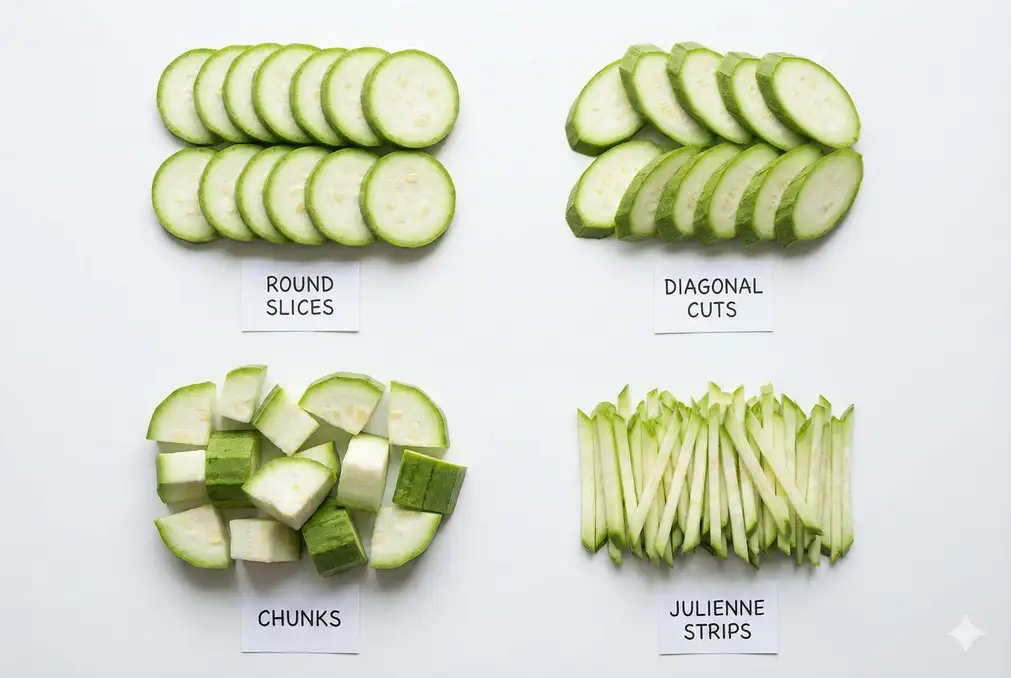
Cutting Techniques
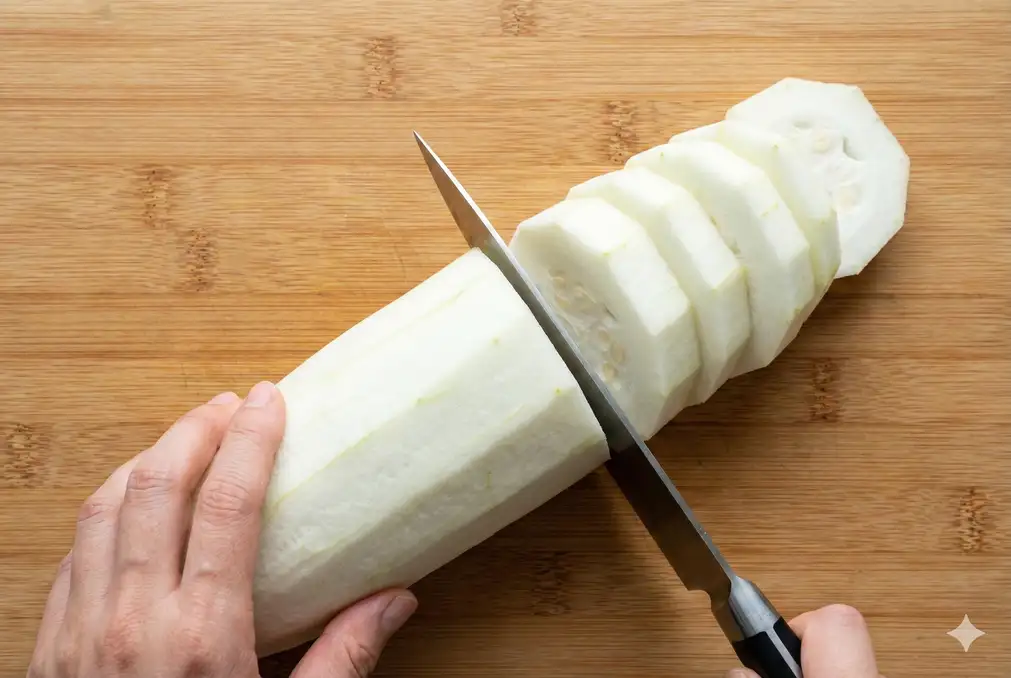
How you cut luffa affects cooking time and texture:
- Diagonal slices: 1/2-inch thick slices for stir-fries; cooks quickly and looks elegant
- Chunks: 1-inch pieces for soups and stews; holds shape better during longer cooking
- Half-moons: Cut in half lengthwise, then slice; good for even cooking
- Strips: Julienned for salads or quick-cooking dishes; increases surface area
- Hollowed: You can hollow and fill with savory mixtures for stuffed luffa dishes
Cooking Methods Overview
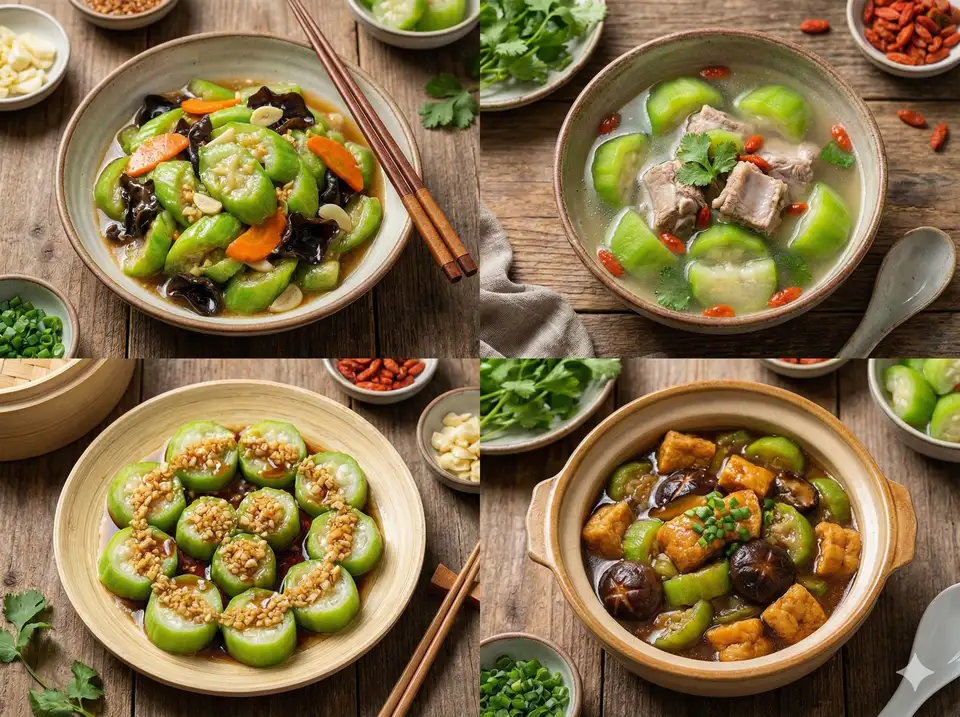
Luffa is incredibly versatile and adapts well to various cooking methods. Here's an overview of the most popular techniques used in Asian cuisines.
Stir-Frying (Most Popular)
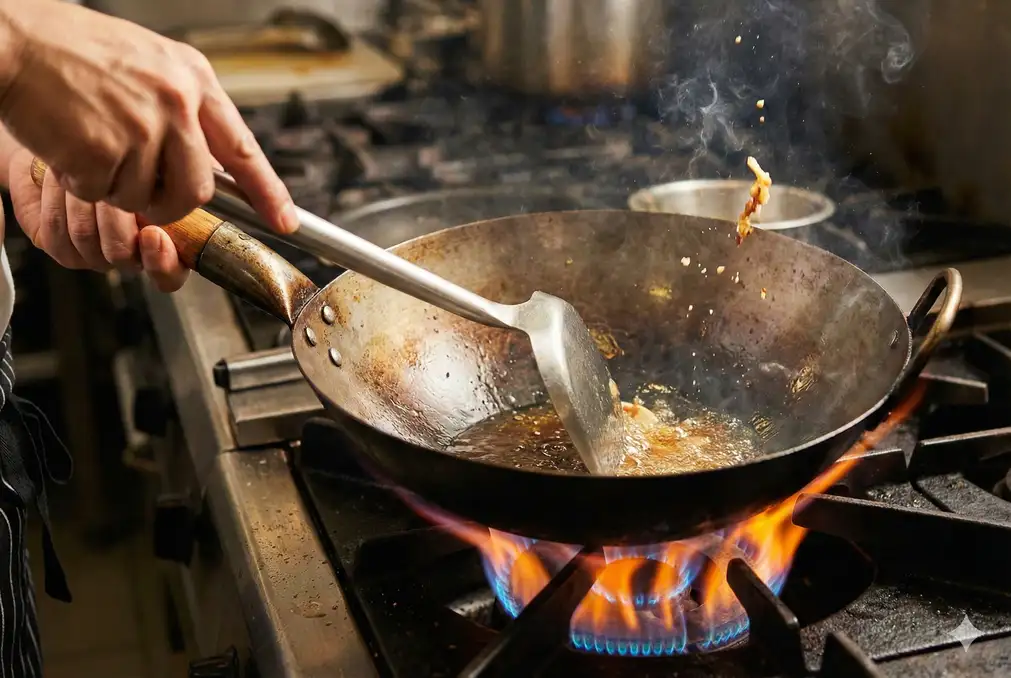
Stir-frying is the most common way to cook luffa, particularly in Chinese cuisine. The high heat and quick cooking preserve the vegetable's delicate texture while infusing it with savory flavors. For detailed recipes, check our classic stir fry methods.
- Heat level: High heat (medium-high on home stoves)
- Cooking time: 3-5 minutes total
- Oil: Use high smoke-point oils (peanut, vegetable, or canola)
- Wok or skillet: Wok is traditional but a large skillet works well
- Don't overcrowd: Cook in batches if necessary for proper browning
- Keep moving: Constant stirring prevents burning and ensures even cooking
Soups and Stews
Luffa excels in soups, where its spongy texture absorbs flavorful broths. It's a staple in Vietnamese canh (clear soups) and Chinese winter melon soups. Explore more in our luffa in soups collection.
- Add near the end: Luffa cooks quickly (5-7 minutes); add in final stages of soup
- Cut larger pieces: 1-inch chunks hold up better in liquid
- Don't overcook: Should be tender but not mushy
- Pair with proteins: Shrimp, pork, chicken, or tofu complement luffa well
- Absorbs flavor: Season broth well as luffa will soak it up
Steaming
Steaming preserves luffa's delicate flavor and nutrients while creating a silky-smooth texture. This method is popular in Cantonese cuisine.
- Preparation: Peel and cut into 1-inch pieces or thick slices
- Steaming time: 8-10 minutes until tender
- Flavor additions: Steam with ginger, garlic, or dried shrimp for extra flavor
- Finish with sauce: Drizzle with oyster sauce, soy sauce, or sesame oil after steaming
- Test doneness: Should pierce easily with a fork but not fall apart
Stuffing
In Vietnamese cuisine, larger luffa segments are hollowed out and stuffed with seasoned ground meat or shrimp, then braised or steamed.
Grilling
Less common but delicious, grilled luffa takes on a smoky flavor. Brush thick slices with oil and grill for 3-4 minutes per side.
Recommended Cooking Tools
Having the right equipment makes all the difference when cooking luffa. I've found that a well-seasoned wok is essential for achieving that restaurant-quality stir-fry at home - it took me a few tries to get the heat right, but once you do, the results are incredible.
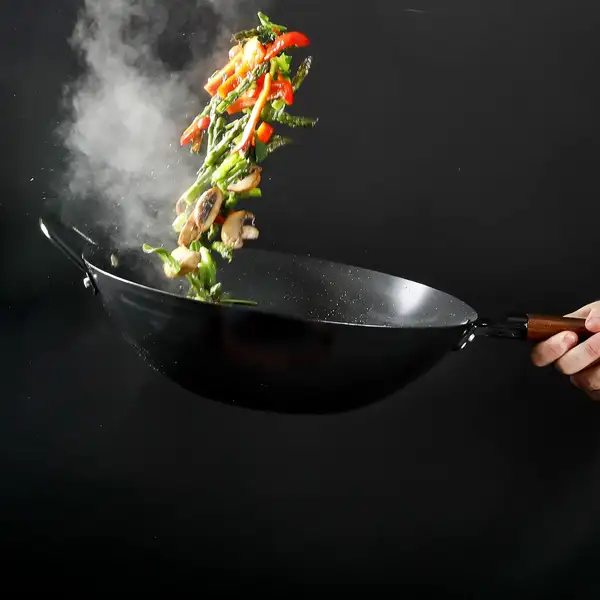
Babish Carbon Steel Flat Bottom Wok (14-Inch)
Restaurant-quality wok for authentic luffa stir-fry - works on all stovetops including induction
Check Price on AmazonAs an Amazon Associate, we earn from qualifying purchases.
Simple Luffa Recipes
Now that you understand the basics, here are four delicious recipes to get you started with cooking luffa.
Recipe 1: Classic Garlic Luffa Stir-Fry
Ingredients:
- 2 medium luffa gourds (about 1 pound), peeled and sliced
- 4 cloves garlic, minced
- 2 tablespoons vegetable oil
- 1 tablespoon oyster sauce
- 1 teaspoon soy sauce
- 1/4 cup chicken or vegetable broth
- Salt and white pepper to taste
- 1 teaspoon sesame oil (optional)
Instructions:
- Heat wok or large skillet over high heat until very hot
- Add vegetable oil and swirl to coat
- Add minced garlic and stir-fry for 15 seconds until fragrant
- Add luffa slices and stir-fry for 2 minutes
- Add broth, oyster sauce, and soy sauce; cook 2-3 minutes until luffa is tender
- Season with salt and pepper, drizzle with sesame oil if using
- Serve immediately over rice
15 minutes | Serves 4 | Easy
Recipe 2: Luffa and Shrimp Soup
Ingredients:
- 1 pound shrimp, peeled and deveined
- 2 medium luffa gourds, peeled and cut into chunks
- 4 cups chicken or seafood stock
- 2 medium tomatoes, cut into wedges
- 3 cloves garlic, minced
- 1 tablespoon fish sauce
- 1 teaspoon sugar
- 2 scallions, chopped
- Fresh cilantro for garnish
- Salt and pepper to taste
Instructions:
- Bring stock to a boil in a large pot
- Add garlic and tomatoes, simmer 3 minutes
- Add luffa chunks and cook 5 minutes until tender
- Add shrimp and cook 2-3 minutes until pink
- Season with fish sauce, sugar, salt, and pepper
- Add scallions in final minute
- Serve hot, garnished with cilantro
20 minutes | Serves 4 | Easy
Recipe 3: Steamed Luffa with Ginger
Ingredients:
- 2 medium luffa gourds, peeled and cut into thick slices
- 2 tablespoons ginger, julienned
- 2 tablespoons oyster sauce
- 1 tablespoon soy sauce
- 1 teaspoon sesame oil
- 2 cloves garlic, minced
- Chopped scallions for garnish
Instructions:
- Arrange luffa slices on a heatproof plate
- Scatter ginger and garlic over luffa
- Steam over boiling water for 8-10 minutes until tender
- Meanwhile, mix oyster sauce, soy sauce, and sesame oil
- Remove plate from steamer and pour off excess water
- Drizzle sauce mixture over luffa
- Garnish with scallions and serve
15 minutes | Serves 4 | Easy
Recipe 4: Luffa with Eggs
This quick luffa and egg dish is a popular home-style meal throughout China and Southeast Asia.
Ingredients:
- 2 medium luffa gourds, peeled and sliced
- 4 eggs, beaten
- 3 tablespoons vegetable oil, divided
- 3 cloves garlic, minced
- 2 tablespoons soy sauce
- 1/2 teaspoon sugar
- Salt and white pepper to taste
- Chopped scallions
Instructions:
- Heat 1 tablespoon oil in wok, scramble eggs until just set, remove
- Add remaining oil to wok over high heat
- Stir-fry garlic for 15 seconds
- Add luffa and stir-fry 3 minutes
- Add soy sauce, sugar, and 2 tablespoons water
- Cook 2 more minutes until luffa is tender
- Return eggs to wok, gently fold together
- Season with salt and pepper, garnish with scallions
12 minutes | Serves 3 | Easy
Flavor Pairings and Seasonings
Luffa's mild flavor makes it incredibly versatile, pairing beautifully with both delicate and bold ingredients. Here are the classic combinations used in Asian cuisines.
| Ingredient Category | Best Pairings | Why It Works |
|---|---|---|
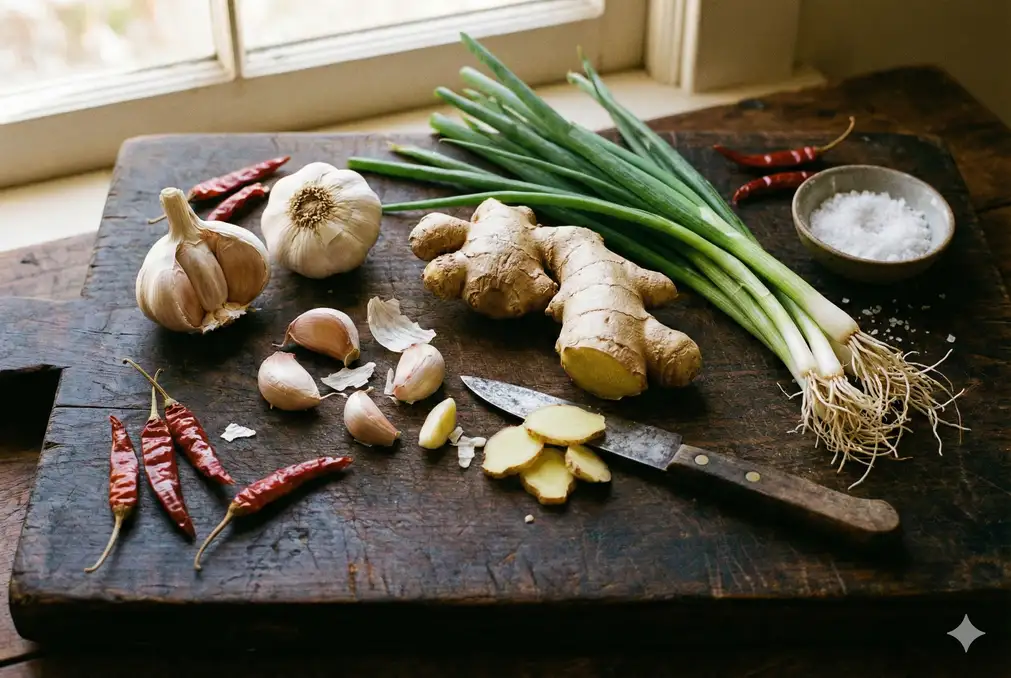
| Aromatics | Garlic, ginger, scallions, shallots | Add depth and fragrance to mild luffa |
| Sauces | Oyster sauce, soy sauce, fish sauce | Luffa absorbs these umami-rich flavors |
| Proteins | Shrimp, eggs, pork, chicken, tofu | Balances texture and adds substance |
| Vegetables | Tomatoes, mushrooms, wood ear | Complementary textures and flavors |
| Oils | Sesame oil, peanut oil | Adds richness and nutty notes |
| Dried Ingredients | Dried shrimp, shiitake, scallops | Intense umami flavors penetrate luffa |
| Herbs | Cilantro, basil (Thai), mint | Fresh contrast to cooked vegetable |
- Start with garlic: Almost every luffa dish benefits from garlic's aromatic punch
- Don't skip salt: Luffa's mild flavor needs proper seasoning to shine
- Add umami: Oyster sauce, mushroom sauce, or soy sauce enhances luffa's savory notes
- Finish with oil: A drizzle of sesame oil or chili oil adds richness and aroma
- Balance with acid: A splash of rice vinegar or lime juice brightens the dish
Cultural Cooking Traditions
Luffa has been cultivated and enjoyed across Asia for thousands of years, with each culture developing its own unique preparations and traditions.
Chinese Cuisine
In China, luffa (丝瓜, si gua) is a summer staple, particularly in southern regions. It's typically stir-fried with garlic, steamed with garlic and soy sauce, or added to egg dishes. Chinese cooking emphasizes preserving luffa's delicate texture through quick, high-heat cooking. Traditional Chinese medicine considers luffa cooling and beneficial for summer heat.
Vietnamese Cuisine
Vietnamese cooks use luffa (mướp) extensively in canh (clear soups), often paired with shrimp, pork, or tofu. The most iconic preparation is canh mướp, a light soup with tomatoes and shrimp that's a comfort food staple. Vietnamese cuisine also features stuffed luffa (mướp nhồi thịt), where the gourd is filled with seasoned ground pork or shrimp.
Indian Cuisine
In India, ridge gourd (turai or beerakaya) is commonly used in curries, stir-fries (sabzi), and dal. It's often cooked with spices like turmeric, cumin, and coriander, and paired with lentils or chickpeas. South Indian preparations include kootu (mixed with lentils and coconut) and poriyal (dry stir-fry with mustard seeds and curry leaves).
- Cantonese: Emphasizes steaming and light seasoning to highlight natural sweetness
- Sichuan: Occasionally spicy preparations with chili bean paste and Sichuan pepper
- Filipino: Ginisang upo (kalabasa) with shrimp or pork in tomato-based sauce
- Thai: Less common but used in soups and curries, treated similarly to cucumber
- Korean: Sometimes pickled or added to kimchi for textural variety
Common Cooking Mistakes to Avoid
Even experienced cooks can make these common errors when preparing luffa for the first time. Here's how to avoid them.
- Using over-mature luffa: Large gourds are fibrous and bitter; stick to 4-8 inch specimens for eating
- Overcooking: Luffa turns mushy quickly; cook just until tender, usually 5-7 minutes
- Not peeling properly: The ridged skin is tough; remove it completely for best texture
- Under-seasoning: Luffa's mild flavor needs adequate salt and umami to taste good
- Adding too early to soups: Luffa cooks fast; add in the last 5-7 minutes
- Low heat stir-frying: High heat is essential for proper wok flavor and texture
- Storing improperly: Don't wash before refrigerating; moisture causes rapid spoilage
- Not draining excess liquid: Luffa releases water when cooked; drain if needed to prevent watery dishes
- Taste as you go: Check seasoning and doneness frequently
- Prepare ingredients first: Luffa cooks so quickly you need everything ready
- Don't be afraid of browning: A little caramelization adds flavor in stir-fries
- Serve immediately: Luffa is best eaten right after cooking
Frequently Asked Questions
Yes, it's the same plant, but at different stages. Young luffa (4-6 inches) is tender and edible. If left to mature (12+ inches), it develops the fibrous network used for bath sponges. You can eat young luffa or let it mature for sponges, but not both from the same gourd. Learn more about when loofah is edible and different uses for green loofah.
Luffa has a very mild, slightly sweet flavor similar to zucchini or cucumber. Its delicate taste is actually a strength - it readily absorbs the flavors of broths, sauces, and aromatics it's cooked with. Think of it as a blank canvas that takes on the character of your seasonings.
For ridged luffa (the most common edible type), yes - the ridged skin is tough and should be peeled. Very young, tender luffa under 4 inches can sometimes be eaten unpeeled after scrubbing. Smooth luffa varieties may not need peeling, but most cooks remove the skin for better texture.
While technically edible raw, luffa is rarely eaten uncooked as it can be slightly tough and doesn't have much flavor. Cooking transforms the texture to silky and tender while allowing it to absorb delicious flavors. If you want to try it raw, use very young specimens (under 4 inches), peel them, and slice thinly for salads.
Look for fresh luffa at Asian supermarkets, Chinese grocery stores, or Vietnamese markets, usually in the fresh produce section. It's typically available in summer and early fall. Some farmers' markets in areas with Asian communities also carry it. Alternatively, grow your own culinary luffa and harvest at the perfect young stage for eating.
Cooked luffa should be refrigerated and consumed within 2-3 days. Like most cooked vegetables, it's best eaten fresh. The texture can become slightly mushy when reheated, so if you have leftovers, consider adding them to soups where the softer texture won't be as noticeable.
Yes, luffa is excellent for weight management. At only 20 calories per 100g serving and with high water content (94%), it's very filling with minimal calories. The dietary fiber content aids digestion and promotes satiety. See our detailed guide on nutritional benefits for more information.
Yes, zucchini is the closest substitute, though the texture will be slightly different. Luffa has a more delicate, silky texture when cooked and absorbs flavors more readily. If substituting zucchini, you may need to cook it a minute or two longer and use slightly more assertive seasoning.