
One of the most common questions from new luffa growers is: "Can I grow luffa for both food and sponges?" The answer is yes, but it requires understanding the dramatic differences in harvest timing. The window between a tender, edible gourd and a mature sponge spans several months and represents completely different stages of the plant's life cycle.
This guide will help you understand when to harvest luffa for eating young loofah versus sponge-making, how to plan your harvest strategy, and how to successfully get both products from the same garden. Understanding harvest timing differences is essential for success.
Recommended Gardening Tools

Babish Carbon Steel Flat Bottom Wok (14-Inch)
Restaurant-quality wok for authentic luffa stir-fry - works on all stovetops including induction
Check Price on AmazonAs an Amazon Associate, we earn from qualifying purchases.
Food vs Sponge: When to Harvest Luffa
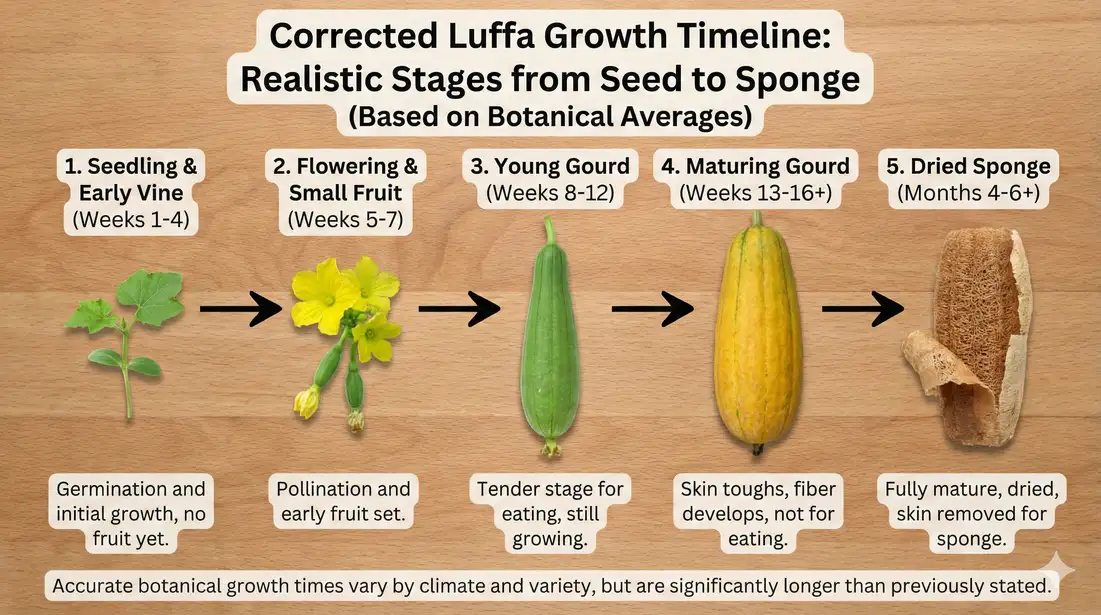
The fundamental difference between harvesting for food versus sponges comes down to maturity. Luffa gourds undergo a complete transformation from tender vegetable to fibrous sponge, and catching them at the right stage is critical for your intended use.
| Characteristic | Food Harvest | Sponge Harvest |
|---|---|---|
| Days After Flowering | 40-50 days | 120-150 days |
| Size | 4-8 inches long | 12-18+ inches long |
| Color | Bright green | Brown and dried |
| Texture | Tender, soft skin | Hard, papery shell |
| Weight | Heavy with moisture | Very lightweight |
| Interior | Soft, spongy flesh | Dry fibrous network |
| Seeds | Small, white, edible | Black, hard, mature |
Harvesting Luffa for Eating (Young Harvest)
When growing luffa as a food crop, think of it like zucchini or cucumber. You want to harvest young, immature fruits while they're still tender and before the fibrous interior begins to develop. Once harvested, learn more about cooking young luffa for delicious results.
Optimal Size for Eating
The sweet spot for edible luffa is 4-8 inches in length, though some varieties can be harvested slightly larger. At this size, the gourd is still completely tender throughout, easy to slice and cook, mild in flavor with a slight sweetness, free from bitterness, and contains small, soft, edible seeds.
Timing for Food Harvest
Young luffa gourds grow rapidly during warm weather. From the time a flower is pollinated, it typically takes 40-50 days to reach eating size. However, during peak summer heat, some fruits can reach harvestable size in as little as 30-35 days.
- Check your plants every 2-3 days during peak season as gourds grow quickly
- Harvest in the morning when gourds are crisp and full of moisture
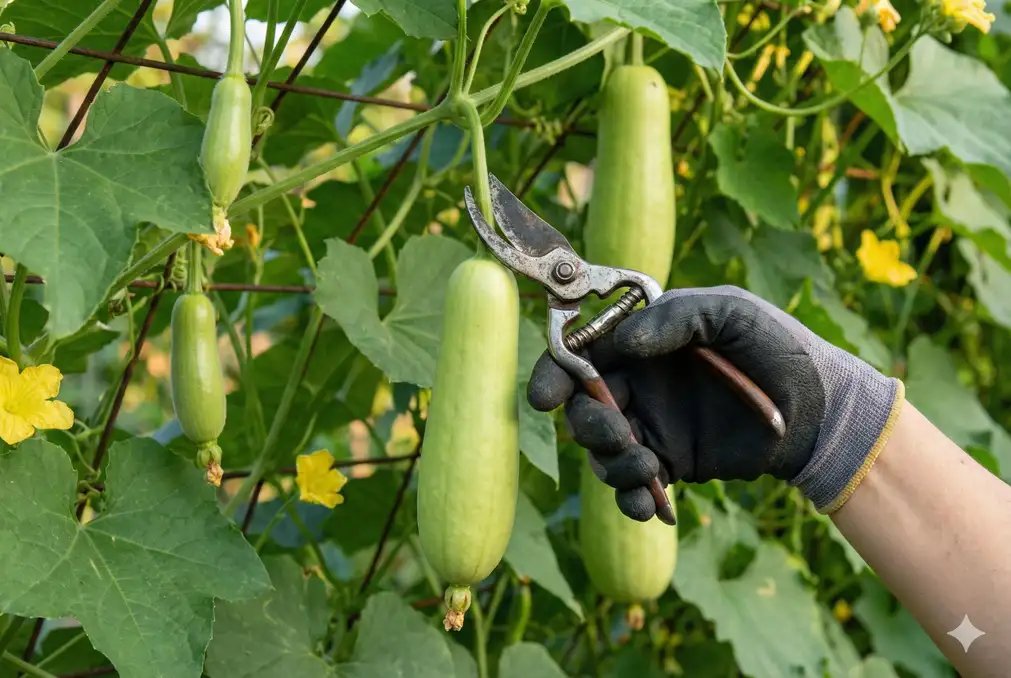
- Use sharp pruners or a knife to cut the stem, leaving a short stub on the gourd
- Smaller gourds (4-6 inches) are more tender than larger ones
- Don't wait too long - even a few extra days can make the difference between tender and tough
What Happens If You Wait Too Long
Once luffa gourds pass the 8-10 inch mark, they begin to transition from food to fiber. The interior flesh starts developing the fibrous network that will eventually become the sponge. At this intermediate stage, the skin becomes tougher and harder to peel, the flesh develops stringy fibers, the flavor becomes bland or slightly bitter, cooking times increase significantly, and the texture becomes less appealing.
If you accidentally let a gourd grow too large for eating, don't discard it. Simply let it continue maturing on the vine for eventual sponge harvest.
Harvesting Luffa for Sponges (Mature Harvest)
Growing luffa for sponges requires patience and a completely different approach. Instead of harvesting young fruits, you'll need to let gourds reach full maturity and dry on the vine.
The Maturation Process
After a luffa flower is pollinated, the gourd goes through several distinct phases:
- Growth Phase (0-60 days): Rapid size increase, gourd is bright green and adding length
- Filling Phase (60-90 days): Gourd reaches maximum size, interior flesh develops fibrous structure
- Drying Phase (90-150 days): Skin turns yellow, then tan, then brown as moisture evaporates
- Ready for Harvest (120-150+ days): Gourd is completely brown, lightweight, and sounds hollow when tapped
Perfect Sponge Harvest Timing
Knowing exactly when to harvest mature luffa sponges can be tricky, as timing varies by climate, variety, and growing conditions.
- Skin has turned completely brown (no green or yellow patches)
- Gourd feels very light in weight
- Skin is papery and may be starting to crack
- When shaken, you can hear seeds rattling inside
- Stem has dried and turned brown
- Gourd sounds hollow when tapped
In warmer climates, gourds can dry completely on the vine. However, in areas with shorter growing seasons or higher humidity, you may need to harvest gourds once they turn yellow and finish drying them indoors.
Harvesting Before First Frost
If you live in an area with frost, you'll need to harvest all remaining gourds before the first freeze, even if they haven't fully dried. Frost will damage the developing sponge inside and can lead to rot. Harvest any gourds that have reached full size and at least started yellowing, then bring them indoors to finish drying in a warm, dry location.
For complete instructions on turning your harvest into usable sponges, see our guide on processing mature loofahs.
Can You Get Both Food and Sponges?
Absolutely! In fact, most luffa growers find that getting both products from their plants makes the most sense. Here's why this strategy works well.
When your luffa plants first start producing, harvest the early fruits for eating. This approach lets you enjoy fresh luffa as a vegetable while the early harvesting encourages the plant to produce more flowers and fruits. Removing some young fruits reduces competition for plant resources and helps you learn to identify the perfect size for eating.
As the growing season progresses, stop harvesting for food and let gourds mature into sponges. Late-season fruits have enough time to fully mature before frost, you'll likely have eaten your fill of luffa by this point, mature gourds can be stored and processed during winter months, and you'll have seeds saved for next year's planting.
Strategic Planning
A typical harvest timeline might look like this:
- Weeks 1-8: Harvest all young fruits for eating (encourages production)
- Weeks 9-12: Transition period - eat smaller fruits, let some mature
- Weeks 13-20: Stop harvesting for food, let all gourds mature for sponges
- Before first frost: Harvest all mature and maturing gourds
Signs Your Luffa Is Ready for Eating
To ensure you harvest luffa at peak tenderness for eating, look for these specific indicators.
Visual Cues
The skin should be a vibrant, healthy bright green without yellowing. Look for a relatively smooth surface without excessive ridges. Young gourds may have a light fuzzy coating (this is normal and edible). Avoid gourds with brown spots or insect damage.
Physical Tests
Your fingernail should easily pierce the skin (fingernail test). The gourd should have some give when gently squeezed (flexibility). It should feel heavy for its size due to high water content (weight). The stem should still be green and pliable (stem freshness).
- Smooth luffa (L. aegyptiaca): 4-6 inches for best tenderness
- Angled luffa (L. acutangula): 6-8 inches, can go slightly larger
- Asian varieties: Follow cultural preferences, often harvested at 8-10 inches
Signs Your Luffa Is Ready for Sponge
Determining sponge readiness is less urgent than timing food harvest, but there are still optimal windows for the best quality sponges.
Color Progression
Watch your gourds transition through these color stages: deep green (still growing and filling out), light green/yellow-green (growth complete, beginning to dry), yellow (active drying phase, can harvest in some climates), tan/light brown (nearly ready, better to wait a bit longer), and dark brown (perfect harvest time).
Texture and Feel
The skin texture should feel dry and papery, not leathery or moist. The gourd should feel hard and rigid, not flexible. Expect dramatically lighter weight than when green (70-80% weight loss). It should rattle when shaken (loose seeds inside).
What If You Harvest Too Early?
If you harvest gourds before they're fully dried, you can still save them by bringing them indoors to a warm, dry location, placing them on a screen or rack for air circulation, allowing 2-4 weeks for indoor drying, monitoring for any signs of mold or rot, and discarding any that develop soft spots.
Planning Your Luffa Harvest Strategy
A successful luffa harvest requires planning from the moment you plant seeds. If you're just getting started, learn about planning your loofah garden for best results.
Start with Enough Plants
If you want both food and sponges, plant more than you think you'll need:
- Food only: 2-3 plants per person
- Sponges only: 3-5 plants for a year's supply
- Both food and sponges: 4-6 plants per person
Succession Planting
In long-season climates (Zone 7 and warmer), consider planting luffa in two stages: first planting early spring for maximum sponge production, and a second planting 4-6 weeks later for extended food harvest.
Record Keeping
Keep a garden journal tracking date of planting and transplanting, first flower date, first harvest date (food and sponge), total number of gourds harvested, and notes on size, quality, and timing. This information becomes invaluable for planning future seasons and improving your timing.
- Tag early fruits with colored ribbon if you want to track specific gourds for sponge harvest
- Photograph your gourds weekly to document the color changes
- Keep a small measuring tape in your garden for checking food harvest sizes
- Mark your calendar with your area's average first frost date
- Consider growing luffa on different structures - shorter trellises for food, taller for sponges
Maximizing Your Luffa Harvest
Whether you're growing for food, sponges, or both, these final tips will help you get the most from your luffa plants. Learn more about maximizing your harvest for different purposes.
For Maximum Food Production
- Harvest frequently to encourage continuous flowering
- Feed plants every 2-3 weeks with balanced fertilizer
- Ensure consistent moisture (luffa loves water during growth)
- Hand-pollinate early morning flowers to ensure fruit set
- Remove any diseased or damaged fruits promptly
For Maximum Sponge Production
- Allow plenty of growing time (start seeds early indoors)
- Provide strong support structures for heavy mature fruits
- Thin fruits to 3-4 per vine for larger, better quality sponges
- Reduce watering in late season to encourage drying
- Protect developing gourds from ground contact to prevent rot
For Both Food and Sponges
- Plant extra vines to account for dual-purpose harvesting
- Mark transition date when you stop food harvesting
- Keep detailed records for better planning next year
- Share excess with neighbors or local food banks
- Save seeds from your best sponge gourds for next season
Frequently Asked Questions
From seed planting to first edible harvest typically takes 90-120 days. This includes 6-8 weeks to grow seedlings, then about 40-50 days from transplanting to first fruits. In warm climates with direct seeding, you might harvest food in as little as 70-80 days.
Absolutely! This is one of the best strategies. Harvest early-season fruits for eating, which encourages more production. Then stop harvesting for food around mid-season and let the remaining fruits mature into sponges. The plant will support both types of harvest.
You must harvest all gourds before the first frost, even if they're not completely dry. Once gourds reach full size and start yellowing, they can finish drying indoors. Check your local frost date and plan to harvest at least a few days before to be safe.
Yes, there are variations. Smooth luffa (L. aegyptiaca) is typically harvested smaller for food (4-6 inches) and takes longer to mature for sponges (140-160 days). Angled luffa (L. acutangula) can be eaten slightly larger (6-8 inches) and may mature faster (120-140 days).
Not if you plan correctly! Harvesting young fruits actually stimulates the plant to produce more flowers and fruits. As long as you stop food harvesting early enough in the season (at least 120-150 days before frost), you'll still get plenty of mature sponges from later fruits.
Final Thoughts on Harvest Timing
Successfully growing luffa for both food and sponges comes down to understanding and respecting the plant's natural timeline. Young, tender gourds offer a delicious, nutritious vegetable for your table, while mature, dried gourds provide sustainable, eco-friendly sponges for your home.
The key is planning your harvest strategy before planting, monitoring your plants regularly, and being willing to adapt based on your climate and growing conditions. Keep detailed records each season, and you'll quickly develop an intuition for the perfect timing in your specific garden.
Remember: there's no wrong choice between food and sponge harvest. Some growers focus exclusively on one or the other, while others enjoy the diversity of getting both from their luffa plants. Experiment, learn, and enjoy the unique versatility of this remarkable plant.