
If you've ever wondered what loofah tastes like, you're not alone. While most people know luffa as a bath sponge, young luffa gourds are actually a delicious and nutritious luffa as edible vegetable enjoyed across Asia and increasingly popular in Western cuisines. Understanding the taste profile of luffa can help you incorporate this versatile ingredient into your cooking with confidence.
Many gardeners who grow your own to taste fresh luffa are amazed at how different it tastes compared to store-bought specimens. The freshness factor makes a significant difference in both flavor and texture.
Recommended Cooking Tools for Luffa

Babish Carbon Steel Flat Bottom Wok (14-Inch)
Restaurant-quality wok for authentic luffa stir-fry - works on all stovetops including induction
Check Price on AmazonAs an Amazon Associate, we earn from qualifying purchases.
What Does Luffa Gourd Taste Like?
Luffa has a remarkably mild and pleasant flavor that's often described as a hybrid between cucumber and zucchini, with subtle sweet undertones. The taste is delicate and refreshing, making it an excellent canvas for stronger flavors in stir-fries, soups, and curries.
When you bite into a fresh luffa, you'll notice:
- Mild sweetness: A natural, gentle sweetness similar to summer squash
- Watery freshness: A clean, cucumber-like quality that's refreshing and light
- Subtle vegetal notes: Delicate green flavors without any bitterness
- Neutral base: Not overpowering, allowing it to complement other ingredients
The flavor profile makes luffa incredibly versatile—it won't dominate a dish but instead absorbs and enhances the flavors of sauces, seasonings, and aromatics you cook it with.
- Only young, immature luffa gourds (6-8 inches long) are edible
- Mature luffa develops tough, fibrous flesh unsuitable for eating
- Harvest when the skin is still tender and bright green
- The best eating quality is before seeds fully develop
Luffa Texture and Mouthfeel
The texture of luffa is just as important as its taste. Raw luffa has a crisp, snappy texture similar to a cucumber or fresh zucchini. The flesh is firm but not hard, with a satisfying crunch when bitten. Proper preparation affects taste significantly, so take care when cutting and peeling.
Raw Luffa Texture
- Crisp and crunchy: Firm texture ideal for salads and fresh applications
- Juicy: High water content provides a refreshing mouthfeel
- Slightly fibrous: Similar to celery but more tender
- Porous structure: Small internal cavities that absorb dressings and marinades
Cooked Luffa Texture
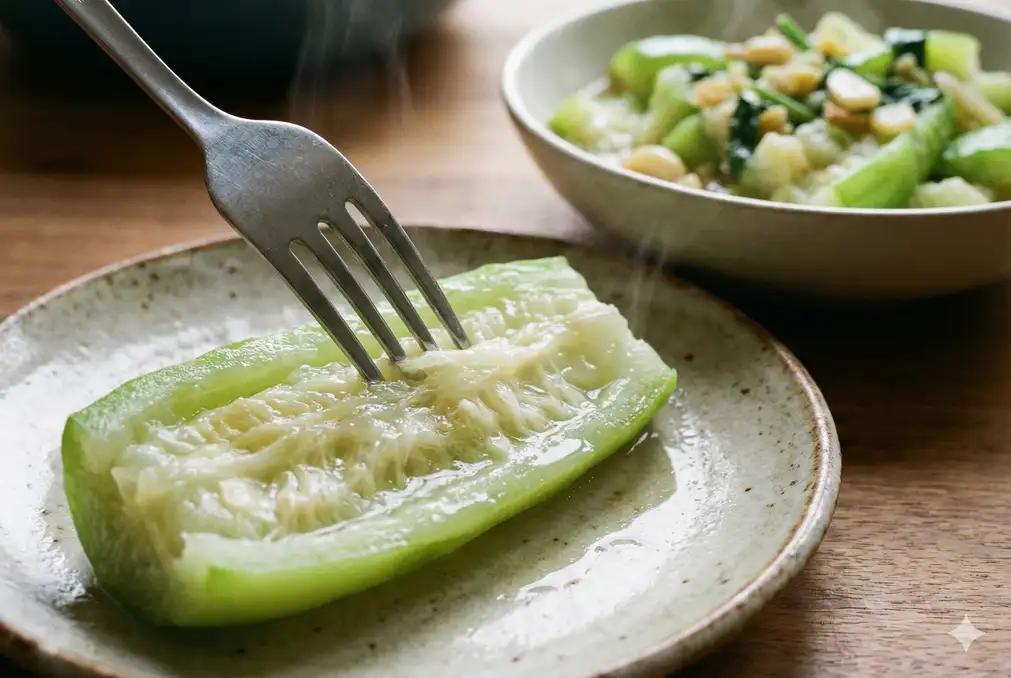
When cooked, luffa undergoes a delightful transformation. The texture becomes tender and almost silky, while still maintaining enough structure to hold its shape in dishes. Properly cooked luffa should be:
- Tender-crisp to soft: Depending on cooking time, from al dente to melt-in-your-mouth
- Spongy: The natural porous structure becomes more pronounced, soaking up broths and sauces
- Silky: The flesh develops a smooth, almost velvety quality
- Light: Never heavy or dense, maintaining an airy quality
How Cooking Method Affects Flavor
The cooking method you choose significantly impacts luffa's final taste and texture. Understanding cooking methods for luffa will help you achieve the best results every time.
Stir-Frying
Stir-frying is the most popular method for cooking luffa, particularly in Chinese cuisine. You can see this technique in action in our flavor in stir fry recipes. This quick, high-heat method:
- Preserves the crisp-tender texture
- Allows luffa to absorb wok flavors and aromatics (garlic, ginger, scallions)
- Maintains the fresh, light taste while adding savory depth
- Creates slight caramelization on edges for added complexity
Steaming
Steaming luffa produces the purest, most delicate flavor:
- Brings out natural sweetness without adding any flavors
- Creates an extremely tender, silky texture
- Results in a clean, refreshing taste perfect for light sauces
- Ideal for showcasing luffa's subtle flavor profile
Braising in Soups
When added to soups and stews, luffa acts like a flavor sponge:
- Absorbs broth flavors deeply into its porous structure
- Becomes very soft and tender
- Adds a pleasant textural element to liquid dishes
- Contributes a subtle sweetness to the overall broth
Luffa Taste Compared to Other Vegetables
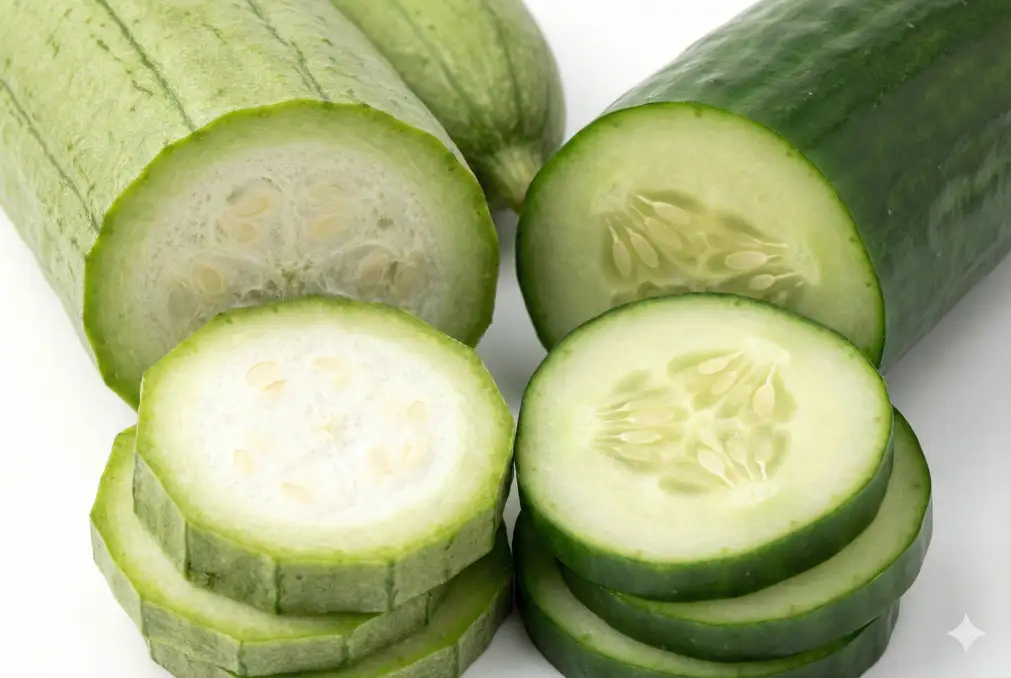
Understanding how luffa compares to more familiar vegetables can help you better predict its flavor and know when to use it. When comparing to familiar vegetables, here's a detailed breakdown.
| Vegetable | Flavor Profile | Texture | Key Differences from Luffa |
|---|---|---|---|
| Luffa | Mild, slightly sweet, cucumber-like | Crisp raw, silky when cooked, spongy | — |
| Zucchini | Mild, slightly earthy, neutral | Firm, can get mushy when overcooked | Luffa is lighter, more refreshing, less dense |
| Cucumber | Fresh, watery, crisp | Very crisp, crunchy, juicy | Luffa is sweeter, better for cooking, more porous |
| Okra | Mild, grassy, slightly earthy | Mucilaginous, slimy when cooked | Luffa has no sliminess, cleaner texture, milder taste |
| Chayote | Very mild, slightly sweet, crisp | Firm, crunchy, holds shape well | Luffa is more delicate, absorbs flavors better |
Does Luffa Taste Like Zucchini?
This is one of the most common questions about luffa, and the answer is: somewhat, but with important distinctions. While luffa and zucchini share a mild, neutral flavor profile, there are several key differences that set them apart.
Similarities Between Luffa and Zucchini
- Both have a mild, non-assertive flavor that works well in various dishes
- Neither is bitter or overly sweet
- Both absorb surrounding flavors in cooking
- Similar versatility in recipes (can be stir-fried, steamed, added to soups)
- Both are best when young and tender
How Luffa Differs from Zucchini
Despite the similarities, luffa has distinct characteristics:
- Lighter, more refreshing taste: Luffa has a cucumber-like quality that zucchini lacks
- Sweeter notes: Luffa tends to have more natural sweetness than zucchini
- More porous texture: Luffa's spongy structure absorbs liquids better than zucchini's denser flesh
- Silkier when cooked: Luffa becomes more tender and velvety, while zucchini can turn mushy
- Less "vegetal" flavor: Luffa has a cleaner, less earthy taste
If you enjoy zucchini but find it a bit dense or bland, you'll likely love luffa's lighter, more delicate profile. Many people who grow their own luffa prefer it to zucchini for cooking because of its superior texture and flavor absorption capabilities.
Best Flavor Pairings for Luffa
Luffa's mild flavor makes it incredibly versatile, but certain ingredients bring out its best qualities. Here are expert-recommended flavor pairings that complement luffa beautifully.
- Garlic + Ginger: Classic Asian pairing that adds aromatic depth without overwhelming luffa's delicate taste
- Soy Sauce + Sesame Oil: Umami-rich combination that luffa absorbs perfectly
- Seafood (shrimp, scallops): Both have sweet, delicate flavors that harmonize wonderfully
- Eggs: The neutral, creamy flavor of eggs complements luffa's lightness
- Coconut Milk: Creates a rich, creamy contrast to luffa's crisp texture in curries
- Tomatoes: Acidity brightens luffa's mild sweetness
- Mushrooms: Earthy umami balances luffa's fresh, light quality
- Chili Peppers: Heat provides exciting contrast to cooling luffa
Seasonings and Sauces That Work Well
- Asian-inspired: Oyster sauce, fish sauce, black bean sauce, miso
- Fresh herbs: Cilantro, basil, mint, scallions
- Aromatics: Shallots, lemongrass, galangal, ginger
- Acids: Rice vinegar, lime juice, tamarind
- Spices: White pepper, five-spice powder, curry powder, turmeric
Why Some People Don't Like Luffa (And How to Fix It)
While luffa is generally well-loved, some people have had disappointing experiences with it. Understanding common issues can help you avoid them and enjoy luffa at its best.
Cause: Luffa was harvested too mature or improperly stored
Solution:
- Choose young luffa (6-8 inches long) with bright green, tender skin
- Avoid luffa with yellowing skin or hard ridges
- Peel thicker-skinned luffa to remove any bitterness
- Blanch briefly in boiling water before cooking to remove any off-flavors
Cause: Overcooking or adding luffa to liquid too early
Solution:
- Don't overcook—luffa needs just 3-5 minutes in stir-fries
- Add to soups near the end of cooking (last 5-7 minutes)
- For stir-fries, cook on high heat quickly to maintain texture
- If steaming, limit to 5-6 minutes maximum
Cause: Insufficient seasoning or pairing with other bland ingredients
Solution:
- Use bold aromatics like garlic, ginger, and shallots
- Add umami-rich sauces (oyster sauce, soy sauce, fish sauce)
- Pair with flavorful proteins (shrimp, Chinese sausage, salted fish)
- Season generously—luffa can handle strong flavors
Cause: High water content released during cooking
Solution:
- Salt luffa slices and let sit 10 minutes, then pat dry before cooking
- Cook on high heat to evaporate excess moisture quickly
- Don't cover the pan while cooking
- Add luffa toward the end when making saucy dishes
Frequently Asked Questions
Yes, young luffa can be eaten raw and has a crisp, refreshing texture similar to cucumber. It's excellent in salads, sliced thin for fresh spring rolls, or eaten as a crunchy snack. However, most people prefer cooked luffa as the heat brings out its natural sweetness and creates a more pleasing silky texture.
Young, tender luffa with smooth, bright green skin doesn't need to be peeled—the skin is edible and contains nutrients. However, if the luffa is slightly more mature with ridged or tougher skin, peeling is recommended to ensure the best texture and flavor. Use a vegetable peeler to remove the ridges and any tough skin.
Ridge luffa (angled luffa) has a slightly more pronounced flavor with a hint of nuttiness, while smooth luffa (cylindrical luffa) tastes more cucumber-like and delicate. Ridge luffa also has a firmer texture that holds up better in longer-cooked dishes. Both are delicious, with personal preference often depending on regional cooking traditions.
Signs that luffa is too mature for eating include: yellowing or browning skin, hard exterior that doesn't give when pressed, visible thick ridges, length over 12 inches, and visible seed development inside. The best eating luffa is 6-8 inches long, bright green, and yields slightly to gentle pressure. When in doubt, choose smaller, younger specimens.
Cooking luffa slightly reduces its vitamin C content (as with most vegetables), but it also makes certain nutrients more bioavailable and easier to digest. Steaming and quick stir-frying preserve the most nutrients. The fiber content remains stable regardless of cooking method, and luffa retains its low-calorie profile whether raw or cooked.
Yes, luffa makes an excellent substitute for zucchini in most recipes, often with even better results due to its superior flavor absorption. Use a 1:1 ratio when substituting. Keep in mind that luffa cooks slightly faster than zucchini and releases more liquid, so you may need to adjust cooking times and liquid ratios. It works particularly well in Asian-inspired dishes, soups, and stir-fries.