
Important: This article provides educational information about the historical and traditional uses of luffa in various medicine systems. It is not intended as medical advice, diagnosis, or treatment.
Always consult with a qualified healthcare provider before using any plant or supplement for medicinal purposes, especially if you are pregnant, nursing, taking medications, or have existing health conditions. Traditional uses do not guarantee safety or effectiveness.
Luffa (Luffa aegyptiaca and Luffa acutangula) has served as more than just a food source and household sponge throughout history. For thousands of years, various cultures have incorporated different parts of the luffa plant into their traditional healing practices, using it to address a wide range of health concerns.
From the ancient texts of Traditional Chinese Medicine to the holistic approaches of Ayurveda, luffa has maintained a respected place in herbal pharmacopoeias across Asia and beyond. Understanding these traditional applications offers fascinating insights into historical medical practices and the cultural significance of this versatile plant. Learning about the edible parts of luffa is essential for anyone interested in using this plant medicinally.
Luffa in Traditional Chinese Medicine
In Traditional Chinese Medicine (TCM), luffa is known as "Si Gua" and has been documented in medical texts for over 2,000 years. TCM practitioners recognize different therapeutic properties in various parts of the plant, making it a versatile ingredient in Chinese medicinal cuisine.
Traditional Chinese Medicine categorizes luffa as having cooling and sweet properties, making it valuable for clearing heat and resolving dampness in the body. The philosophy behind its use relates to balancing the body's internal environment and promoting the free flow of qi (vital energy).
Different Parts, Different Uses
TCM utilizes several distinct parts of the luffa plant for specific purposes:
- Young Fruit (Si Gua): The tender young gourds are considered cooling and are traditionally used to clear heat, promote urination, and support digestion. They're often recommended for summer heat conditions and to help reduce internal inflammation.
- Mature Sponge Network (Si Gua Luo): The fibrous network of the mature fruit is used to improve blood circulation, reduce swelling, and address chest congestion. It's particularly valued for its ability to "open the channels" and promote the flow of qi and blood.
- Seeds (Si Gua Zi): Luffa seeds are used as a gentle laxative and to reduce inflammation. They're also traditionally employed to expel parasites and support digestive health.
- Leaves and Stems: These parts are occasionally used externally for skin conditions and to promote wound healing.
Traditional Preparations in TCM
Chinese medicine practitioners prepare luffa in various ways depending on the intended therapeutic effect. The dried sponge might be boiled to create a decoction, while fresh young fruit could be juiced or incorporated into medicinal soups. Often, luffa is combined with other herbs to create formulas tailored to specific conditions and constitutional types.
Luffa in Ayurvedic Medicine
Ayurveda, the ancient Indian system of medicine, recognizes luffa (known as "ghiya tori" or "turiya") as having cooling, light, and easy-to-digest properties. It's primarily used to balance Pitta and Kapha doshas and is incorporated into traditional body treatments for circulation.
Within the Ayurvedic framework, luffa is classified as having sweet taste (rasa) and cooling energy (virya). These qualities make it particularly suitable for conditions involving excess heat or inflammation in the body.
Traditional Ayurvedic Applications
Ayurvedic practitioners have historically recommended luffa for digestive support, as the young fruit is considered easy to digest and beneficial for the digestive system. It helps soothe inflammation in the gut and promotes regular elimination, making it a gentle choice for those with sluggish digestion.
Due to its cooling nature, luffa is traditionally consumed during hot weather or for conditions characterized by excess heat in the body. This makes it particularly popular in Indian summers, where it's prepared in light curries and soups to help the body regulate temperature naturally.
Luffa is also valued for its mild diuretic properties, supporting the body's natural detoxification processes through increased urination. This gentle cleansing action extends to skin health as well—both internal consumption and external application of luffa preparations have been used to address various skin conditions, particularly those related to heat or inflammation.
Dosha Considerations
Ayurveda recommends luffa particularly for individuals with predominant Pitta (fire) constitution or those experiencing Pitta imbalances. Its cooling and light properties help counteract excess heat and heaviness. However, those with dominant Vata (air) constitution might need to consume it with warming spices to maintain balance.
Recommended Herbal & Wellness Products
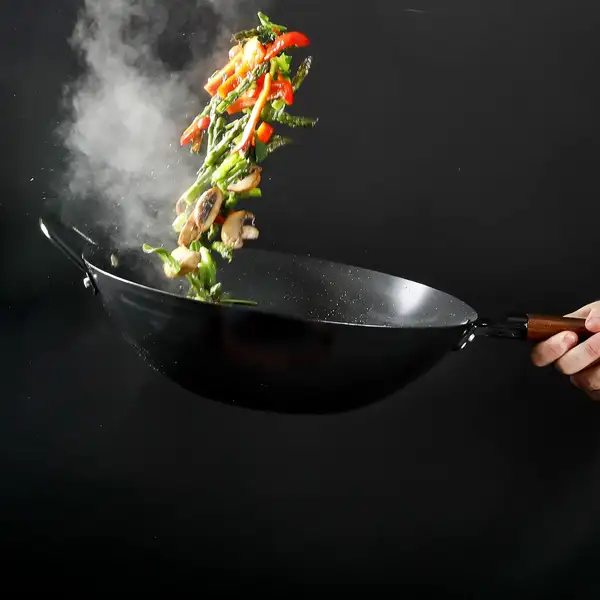
Babish Carbon Steel Flat Bottom Wok (14-Inch)
Restaurant-quality wok for authentic luffa stir-fry - works on all stovetops including induction
Check Price on AmazonAs an Amazon Associate, we earn from qualifying purchases.
Historical Uses of Luffa
Beyond the well-documented medical systems of China and India, luffa appears in the folk medicine traditions of numerous cultures throughout Asia, the Middle East, and tropical regions worldwide.
Southeast Asian Traditions
In Vietnam, Thailand, and other Southeast Asian countries, luffa has long been used in traditional remedies. Vietnamese traditional medicine employs young luffa fruit in cooling soups believed to reduce internal heat, while Thai folk medicine has used various parts of the plant to address skin conditions and support liver function.
Middle Eastern Applications
Traditional Arabic medicine has incorporated luffa, particularly for its diuretic properties and potential benefits for kidney and urinary health. Historical texts reference its use in treating jaundice and supporting liver function, though these applications were largely based on the doctrine of signatures and traditional observation rather than systematic study.
African Folk Medicine
In regions of Africa where luffa grows, traditional healers have utilized the plant for various purposes, including treating stomach complaints, reducing fever, and addressing skin problems. The specific applications vary by region and local healing traditions.
Luffa for Respiratory Health (Traditional Uses)
One of the most consistent traditional uses of luffa across different medical systems involves respiratory support. The fibrous nature of the mature luffa sponge is thought to symbolically correlate with its use in clearing congestion from the respiratory passages.
Traditional Respiratory Applications
Traditional medicine systems have employed luffa for various respiratory conditions, with TCM practitioners using luffa sponge preparations to help clear excessive phlegm and mucus from the lungs and airways. The dried fibrous network is particularly valued for this purpose, as its structure was believed to symbolically and therapeutically help "open the channels" of the respiratory system.
Decoctions made from the luffa sponge network have been traditionally recommended for persistent coughs, particularly those characterized by thick, sticky phlegm that's difficult to expectorate. The ability of luffa to promote the flow of qi in TCM theory extends to relieving chest congestion and promoting easier breathing, making it a common ingredient in traditional formulas for respiratory support.
Some traditional practices have also used luffa preparations to address sinus congestion and related discomfort, often combining it with other herbs known for their effects on the upper respiratory tract.
Preparation Methods
For respiratory support, traditional preparations often involve:
- Boiling dried luffa sponge to create a decoction that's consumed as tea
- Combining luffa with complementary herbs like licorice root, mulberry leaf, or honeysuckle
- Preparing luffa in medicinal soups with chicken or pork bone broth
- Creating steam inhalations using luffa decoctions
It's important to note that while these traditional uses are well-documented, they have not been extensively validated through modern clinical trials. Respiratory conditions can be serious and always warrant professional medical evaluation.
Luffa for Skin Conditions
The traditional use of luffa for skin health extends beyond the well-known exfoliating properties of the mature sponge. Various parts of the plant have been employed in traditional dermatological applications across different cultures.
Internal Use for Skin Health
Traditional medical systems have recommended internal consumption of luffa for certain skin conditions, based on the theory that skin problems often reflect internal imbalances. In both TCM and Ayurveda, luffa's cooling properties make it a traditional choice for skin conditions thought to result from excess internal heat, such as certain types of acne, rashes, or inflammatory skin reactions.
The mild diuretic effect of luffa is traditionally believed to support skin health by helping eliminate toxins through increased urination. This concept of "clearing heat through urination" is central to both Chinese and Indian traditional medicine. Additionally, traditional practices have used luffa as part of blood purification protocols, believing that cleaner, cooler blood leads to clearer, healthier skin over time.
External Applications
Beyond eating the young fruit or drinking luffa preparations, traditional medicine has employed various external applications for skin health. Fresh luffa leaves, crushed and applied to the skin as poultices, have been used traditionally to address minor wounds, insect bites, and localized skin inflammation. The cooling, soothing properties of the fresh leaves were believed to draw out heat and promote healing.
The juice extracted from young luffa fruit has been applied topically in some traditions to soothe sunburn and reduce skin inflammation, acting as a natural cooling agent. Meanwhile, the mature luffa sponge—while primarily known for exfoliation and cleansing—has also been incorporated into traditional skin care routines to improve circulation and promote skin renewal through gentle mechanical stimulation.
Luffa Tea and Decoctions
One of the most common traditional preparation methods for medicinal use of luffa involves creating teas and decoctions from various parts of the plant. These liquid preparations allow for easier consumption and are believed to extract the therapeutic compounds effectively. For other traditional juice remedies, young luffa can be processed fresh.
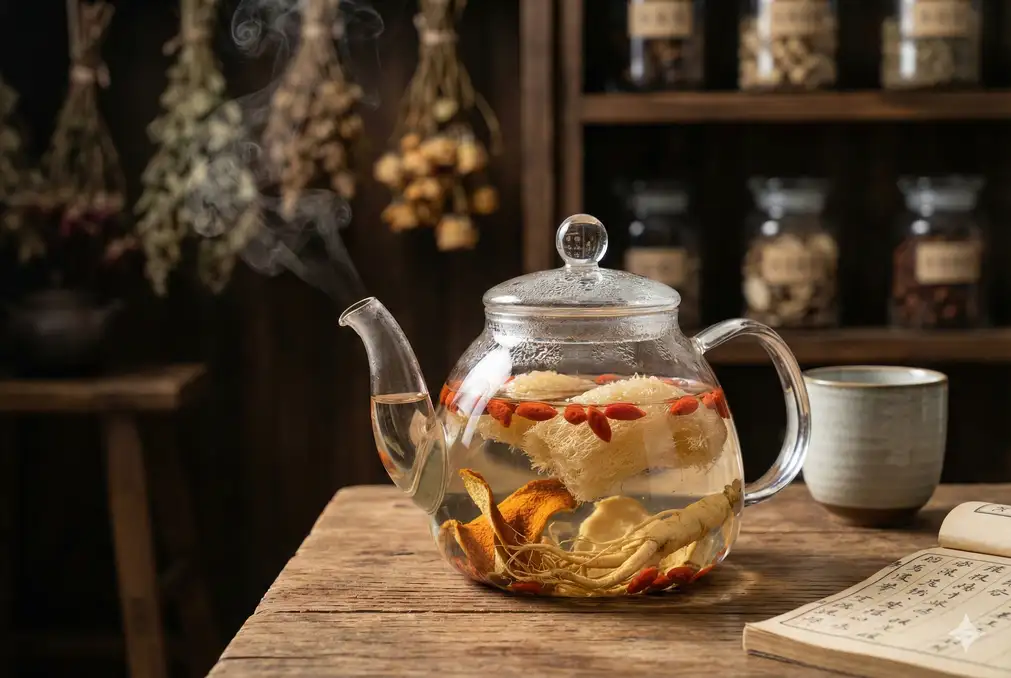
Traditional Luffa Tea Preparations
Luffa Sponge Tea (Si Gua Luo Cha): Perhaps the most well-known medicinal preparation involves brewing tea from the dried fibrous network of mature luffa. Traditional preparation involves:
- Breaking dried luffa sponge into small pieces
- Boiling 10-15 grams in 2-3 cups of water for 15-20 minutes
- Straining and drinking the decoction warm
- Often combined with other herbs for enhanced effects
Fresh Luffa Juice: Some traditions use the juice extracted from young, tender luffa fruit:
- Young luffa is grated or blended
- The pulp is strained to extract clear juice
- Consumed fresh, sometimes mixed with honey or other natural sweeteners
- Traditionally used for cooling effects during hot weather
Luffa Leaf Tea: Dried luffa leaves are occasionally brewed into tea:
- Dried leaves are steeped in hot water like conventional tea
- Traditionally used for its mild detoxifying properties
- Sometimes combined with other herbal teas
- Always use luffa from known, pesticide-free sources when preparing for consumption
- Start with small amounts to assess individual tolerance
- Pregnant and nursing women should avoid medicinal amounts of luffa
- Those with existing medical conditions should consult healthcare providers before use
- Excessive consumption may cause digestive upset or diarrhea
- Quality and preparation methods significantly affect safety and potential benefits
Modern Research on Traditional Claims
While traditional medicine systems have used luffa for centuries, modern scientific research is only beginning to investigate these historical applications. The current state of research provides some interesting insights while also highlighting significant gaps in our understanding.
Preliminary Scientific Studies
Recent scientific investigations have explored various aspects of luffa's potential medicinal properties:
Bioactive Compounds: Research has identified several potentially beneficial compounds in luffa, including:
- Triterpenoid saponins with potential anti-inflammatory properties
- Flavonoids and phenolic compounds with antioxidant activity
- Various vitamins and minerals that support general health
- Ribosome-inactivating proteins being studied for their biological activities
Laboratory studies—both in vitro (test tube) and in vivo (animal)—have begun investigating some of luffa's traditional applications. Researchers have observed anti-inflammatory effects that might support traditional uses for inflammatory conditions, as well as antimicrobial properties against certain bacteria and fungi. Some studies have also noted potential immunomodulatory effects that could influence immune function, along with antioxidant capacity that might contribute to cellular protection. However, these findings remain preliminary and require further investigation in human subjects.
The Research Gap
Despite these preliminary findings, significant limitations exist in the current research:
- Limited Human Clinical Trials: Most studies have been conducted in laboratories or on animals, not in controlled human trials.
- Unclear Mechanisms: How luffa might produce therapeutic effects in the human body remains largely unclear.
- Dosage Questions: Optimal dosages for any potential therapeutic use have not been scientifically established.
- Safety Profile: Comprehensive safety studies, particularly for long-term use, are lacking.
- Standardization Issues: Different preparation methods, plant parts, and growing conditions make it difficult to standardize research.
What This Means for Consumers
The gap between traditional use and modern scientific validation carries important implications for anyone interested in luffa's medicinal potential. Traditional uses, while historically significant, should not be considered scientifically proven therapies. These historical applications do provide interesting leads for future research, but they don't constitute evidence of efficacy by modern standards.
Anyone considering luffa for medicinal purposes should approach it with appropriate caution and always seek professional medical advice for health conditions. More rigorous clinical research is needed to validate or refute traditional claims before luffa can be recommended as a therapeutic intervention with confidence.
Learn more about the nutritional properties of edible luffa from a modern dietary perspective.
Safety Considerations
While luffa has been consumed as food and used in traditional medicine for centuries, understanding potential safety concerns is crucial for anyone considering its medicinal use.
General Safety Guidelines
Quality and Preparation Matter: The safety of luffa depends significantly on proper selection, preparation, and use. Follow these guidelines:
- Only use young, tender luffa fruit for consumption; mature fruit becomes bitter and indigestible
- Ensure luffa comes from pesticide-free, organic sources when used medicinally
- Properly wash and prepare all parts of the plant before use
- Follow traditional preparation methods rather than experimenting with untested approaches
- Start with small amounts to assess individual tolerance
Who Should Avoid Medicinal Use of Luffa
Certain groups should exercise particular caution or avoid medicinal amounts of luffa:
- Pregnant Women: Traditional medicine often advises against medicinal amounts of luffa during pregnancy due to its potential effects on the uterus. While occasional consumption of young luffa as food is generally considered safe, medicinal preparations should be avoided.
- Nursing Mothers: Insufficient research exists on the safety of medicinal luffa use during breastfeeding. It's advisable to limit consumption to normal dietary amounts.
- People with Digestive Issues: Those with sensitive digestive systems, chronic diarrhea, or inflammatory bowel conditions should be cautious, as luffa's cooling and mildly laxative properties might exacerbate symptoms.
- Pre-Surgical Patients: Due to potential effects on blood clotting (based on traditional uses for circulation), discontinue medicinal use of luffa at least two weeks before scheduled surgery.
- Those with Allergies: Individuals allergic to plants in the Cucurbitaceae family (cucumbers, melons, squash) may also react to luffa.
Potential Side Effects
Based on traditional use and limited scientific study, potential side effects may include digestive upset such as nausea or diarrhea, especially with excessive consumption. Sensitive individuals may experience allergic reactions, particularly those with known allergies to other members of the gourd family.
The diuretic properties of luffa may lead to increased urination, which while sometimes desirable, could potentially contribute to electrolyte imbalance with prolonged excessive use. As with any substance used medicinally, moderation and attention to individual responses are essential.
Drug Interactions
While specific drug interaction studies are limited, theoretical concerns exist based on luffa's traditional applications. Those taking diabetes medications should be aware that luffa might affect blood sugar levels, potentially requiring medication adjustments. Similarly, the mild diuretic effect could potentially enhance the effects of prescription diuretics, leading to excessive fluid loss.
Traditional uses for circulation suggest potential effects on blood pressure, which may be relevant for those on blood pressure medications. Based on these same traditional applications, potential interaction with blood thinners and anticoagulants is theoretically possible and warrants caution. Anyone on prescription medications should consult their healthcare provider before using luffa medicinally.
When to Seek Professional Advice
Consult with qualified healthcare providers before using luffa medicinally if you:
- Have any chronic health conditions
- Are taking prescription medications
- Are pregnant or nursing
- Are planning surgery
- Experience any adverse reactions after consumption
Remember that traditional use does not guarantee safety or effectiveness. What worked in traditional contexts with specific preparations may not translate directly to modern use. If you're interested in growing your own luffa for food or medicine, learn how to grow medicinal plants at home.
Frequently Asked Questions
Yes, luffa has been used in traditional medicine systems for centuries, particularly in Traditional Chinese Medicine (TCM) and Ayurveda. Different parts of the plant—including the young fruit, mature sponge network, seeds, and leaves—are used for various therapeutic purposes, including treating respiratory conditions, supporting digestion, improving circulation, and addressing skin problems.
In Traditional Chinese Medicine, luffa is considered cooling and detoxifying. It's used to clear heat, resolve phlegm, promote urination, and improve circulation. Different parts have specific applications: the young gourd for cooling and diuretic effects, the mature sponge network for circulation and respiratory support, the seeds for digestive issues, and the leaves for external applications on skin conditions.
Traditional medicine systems, particularly TCM, use luffa sponge tea for respiratory support, specifically to help clear phlegm and reduce chest congestion. However, these are traditional applications that have not been fully validated by modern clinical research. Respiratory conditions can be serious and should always be evaluated and treated by qualified healthcare professionals.
While luffa has a long history of traditional use, safety depends on proper preparation, appropriate dosage, and individual health status. Young luffa consumed as food is generally safe for most people, but medicinal amounts require more caution. Pregnant and nursing women should avoid medicinal use, and anyone with existing health conditions or taking medications should consult healthcare providers before using luffa medicinally.