Outdoor Growing Quick Facts
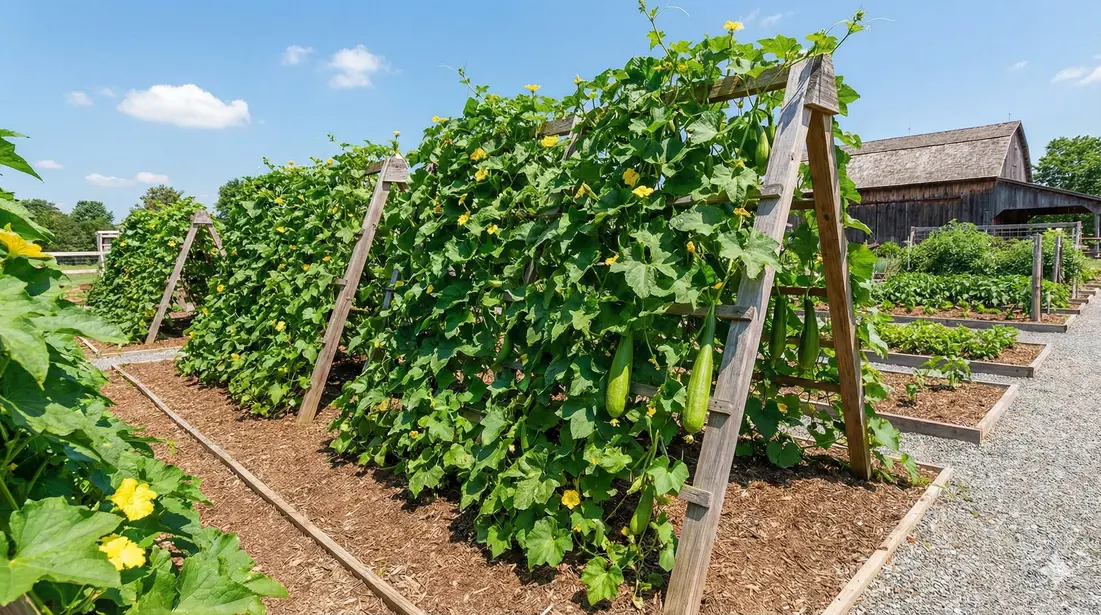
Outdoor garden growing is the gold standard for loofah. When planted directly in the ground with proper support, loofah vines have unlimited room to spread, access to consistent soil moisture, and the space needed to reach their full productive potential. While containers offer convenience, nothing beats the yields from a well-tended outdoor loofah patch.
In this guide, you'll learn how to select the perfect garden spot, prepare your soil, establish support structures, and care for your loofah plants throughout their long growing season. Whether you're adding loofah to an existing vegetable garden or creating a dedicated growing area, these techniques will help you harvest an abundant crop of natural sponges. New to loofah? Start with our complete beginner's guide.
Loofah needs 150-200 frost-free days to mature. If your growing season is shorter, you'll need to start seeds indoors 4-6 weeks before your last frost date.
Choosing the Perfect Location
Site selection can make or break your loofah crop. These tropical vines have specific requirements that, when met, reward you with vigorous growth and heavy yields.
Sunlight Requirements
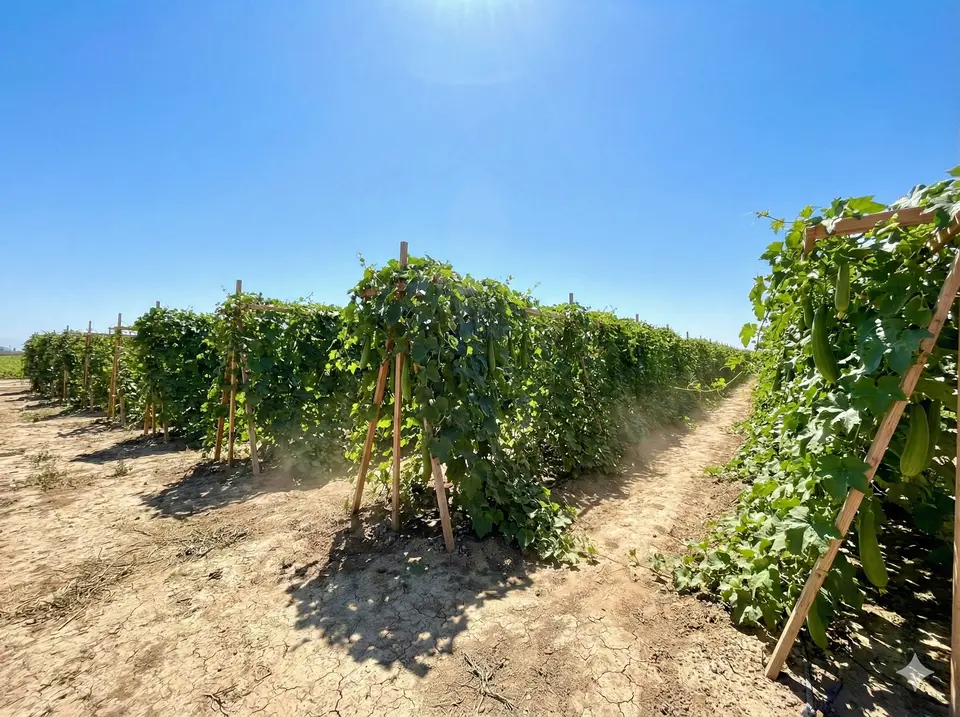
Loofah plants demand full sun—a minimum of 6 hours of direct sunlight daily, though 8 or more hours is ideal. South-facing locations typically provide the best light exposure in northern hemisphere gardens.
Watch your potential planting area throughout the day before committing. Morning sun is especially valuable because it dries dew quickly, reducing disease pressure. If you must choose, prioritize morning over afternoon sun.
Wind Protection
While loofah vines are resilient, strong winds can damage leaves, snap stems, and knock developing gourds from the vine. Choose a location with some wind protection—near a fence, building, or established hedge—without sacrificing sunlight.
Space Considerations
Don't underestimate loofah's space needs. A single plant can spread 15-30 feet horizontally when grown along the ground, or climb to similar heights given vertical support. Plan for:
- Row spacing: 6-8 feet between rows if growing multiple plants
- Plant spacing: 3-4 feet between plants in a row
- Trellis width: At least 6-8 feet per plant for vertical growing
Site Selection Checklist
- Receives 6-8+ hours of direct sunlight
- Has some wind protection without heavy shading
- Offers enough space for mature vine spread
- Has well-draining soil (no standing water after rain)
- Is accessible for daily monitoring and watering
- Has structure nearby for trellis attachment or room for freestanding support
Preparing Your Soil
Loofah thrives in rich, well-draining soil with plenty of organic matter. Taking time to properly prepare your planting area pays dividends throughout the growing season.
Ideal Soil Conditions
Target these soil characteristics:
- pH: 6.0-6.8 (slightly acidic to neutral)
- Texture: Loamy, well-draining
- Organic matter: High—at least 5%
- Fertility: Rich in nitrogen for early growth, phosphorus and potassium for flowering and fruiting
Soil Amendment Steps
Test Your Soil
Before amending, test your soil pH and nutrient levels. Home test kits work for basic information, but a professional lab test provides comprehensive data. Most cooperative extension services offer affordable testing.
Clear and Till
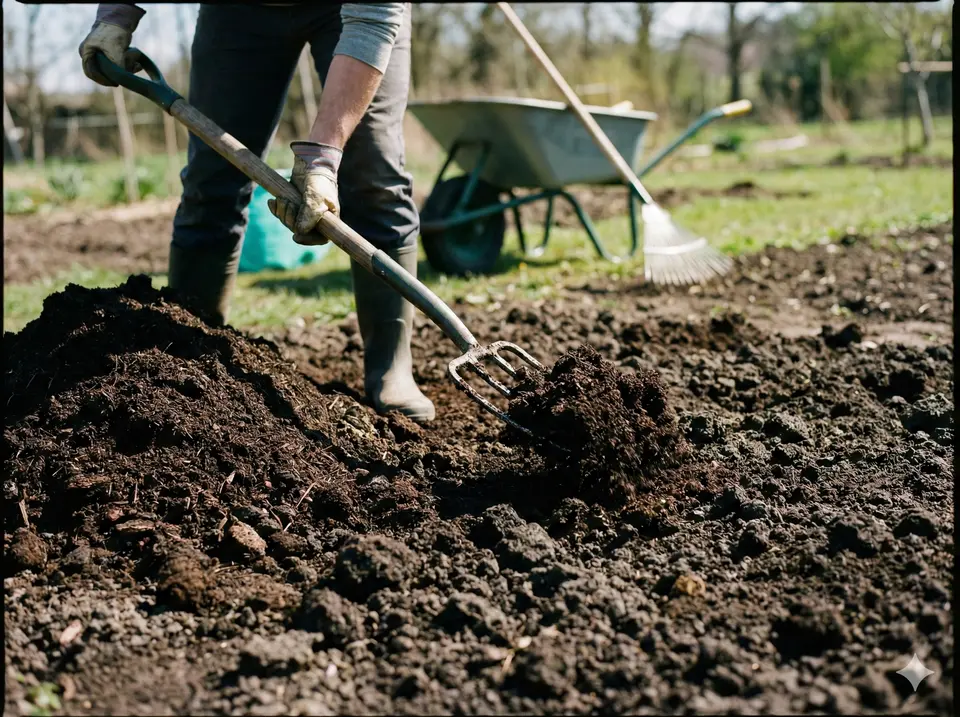
Remove all weeds, grass, and debris from your planting area. Till or dig to a depth of 12-18 inches to loosen compacted soil and improve root penetration.
Add Organic Matter
Incorporate 3-4 inches of well-aged compost across the entire planting area. This improves soil structure, water retention, drainage, and nutrient availability simultaneously.
Adjust pH if Needed
If soil is too acidic (below 6.0), add agricultural lime according to package directions. If too alkaline (above 7.0), add sulfur. Make pH adjustments several weeks before planting when possible.
Add Slow-Release Fertilizer
Work in a balanced granular fertilizer (10-10-10 or similar) at the rate recommended on the package. For organic growing, use a combination of bone meal, blood meal, and kelp meal.
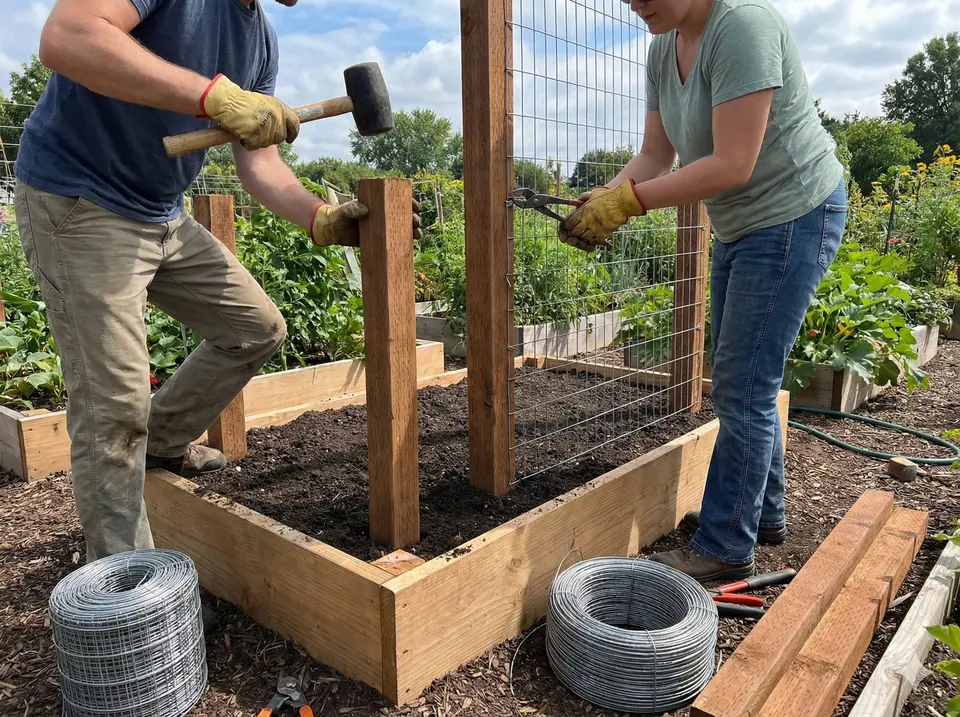
If your native soil is heavy clay or extremely sandy, consider building raised beds filled with quality garden soil. This gives you complete control over growing conditions and eliminates many soil problems.

MySoil Soil Test Kit - Professional Lab Analysis
Tests 13 plant nutrients plus pH levels. Professional lab analysis included with results in 6-8 days and personalized fertilizer recommendations.
Building Support Structures
Strong support structures are essential for outdoor loofah growing. While you can let vines sprawl across the ground, trellising produces cleaner fruit, easier harvesting, better air circulation, and more efficient use of garden space.
Why Vertical Growing is Better
- Cleaner fruit: Gourds hanging from trellises stay dry and don't develop ground rot or discoloration
- Better airflow: Vertical growing reduces fungal disease pressure
- Easier harvesting: Mature gourds are at eye level rather than hidden under foliage
- Space efficiency: Vertical growing uses fraction of the ground space
- Straighter fruit: Gravity helps gourds grow long and straight
Best Trellis Options
For detailed plans and DIY instructions, see our complete loofah trellis guide.
Cattle Panel Trellis
Cattle panels (also called livestock panels) are 16-foot welded wire panels that create perfect sturdy loofah support. Install two T-posts per panel, secure the panel with wire or clips, and you have an instant, durable trellis that lasts for years.
A-Frame Trellis
Build an A-frame using 2x4 lumber and strong wire or netting stretched between the sides. This design is freestanding and creates useful shade underneath for cool-season crops.
Fence or Wall Mounting
If you have an existing sturdy fence (chain link works well) or a south-facing wall, you can train loofah to climb directly on these structures. Add wire or netting if the existing surface doesn't provide enough grip for tendrils.
Arbor or Pergola
For a decorative approach, plant loofah at the base of an arbor or pergola. The vines will climb up and across the top, creating living shade and a beautiful garden feature. Ensure the structure can support the weight of multiple mature gourds.
A mature loofah vine with fruit can weigh 50+ pounds. Whatever support you choose must be sturdy enough to handle this weight plus wind stress. Weak trellises collapse in late summer—right when you need them most.
Planting Your Loofah
Timing is critical for outdoor loofah success. Plant too early and cold soil stunts growth; plant too late and gourds won't mature before frost.
When to Plant
Wait until all danger of frost has passed and soil temperatures reach at least 65°F (18°C). In most regions:
- Zones 9-10: Direct sow late March to early April
- Zones 7-8: Direct sow mid-April to early May; or transplant started seedlings
- Zones 5-6: Start seeds indoors 4-6 weeks before last frost; transplant after soil warms
Direct Sowing
For gardeners in zones 8-10 with long growing seasons, direct sowing is simple and effective.
- Soak seeds overnight in warm water to speed germination
- Create planting mounds 3-4 feet apart, enriched with extra compost
- Plant 2-3 seeds per mound, 1 inch deep
- Water thoroughly and keep soil consistently moist until germination
- Thin to the strongest seedling after true leaves appear
Transplanting Seedlings
For shorter-season areas, transplanting gives you a head start.
- Harden off indoor-started seedlings for 7-10 days before transplanting
- Dig holes slightly larger than root balls at each planting location
- Plant at the same depth seedlings were growing in their containers
- Water deeply immediately after transplanting
- Consider temporary protection (row cover or plastic jug cloches) if nights are still cool
Watering Your Outdoor Loofah
Loofah plants are thirsty—they need consistent moisture throughout the growing season, especially during flowering and fruit development.
How Much Water
Provide 1-2 inches of water per week, either from rainfall or irrigation. During hot weather or when plants are heavily fruiting, needs may increase to 2-3 inches weekly.
Watering Methods
Drip irrigation is ideal for loofah. It delivers water directly to the root zone, keeps foliage dry (reducing disease), and maintains consistent soil moisture with minimal waste.
Soaker hoses offer similar benefits at lower cost. Lay them along the base of plants and run for 30-60 minutes several times per week.
Hand watering works but requires more time and attention. Water at the base of plants, avoiding wetting foliage. Morning watering is best, allowing any wet leaves to dry before evening.
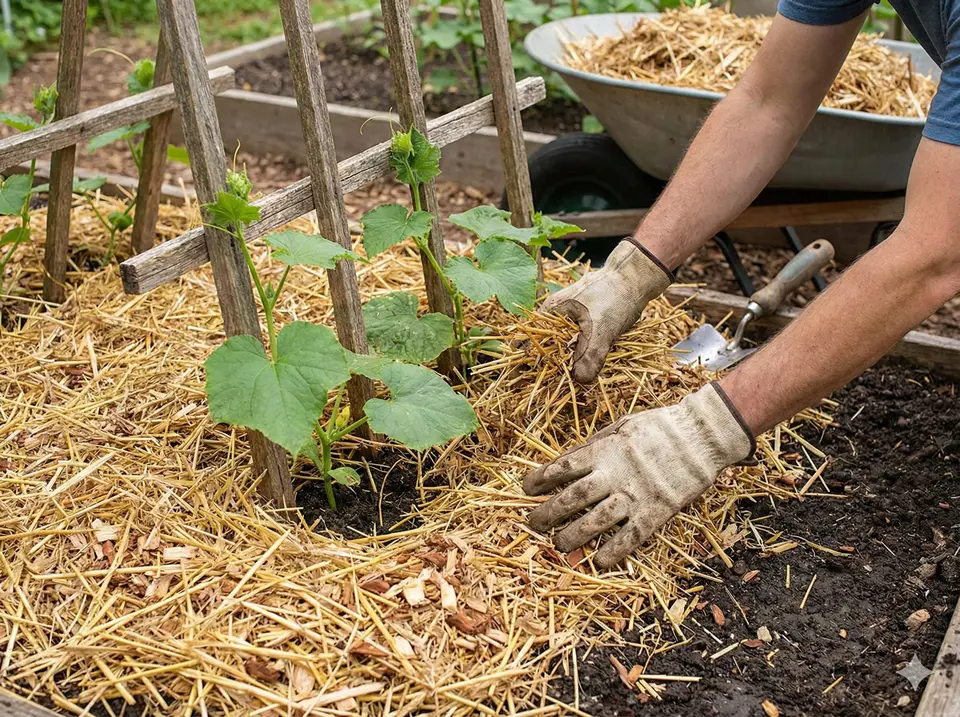
Apply 3-4 inches of organic mulch (straw, wood chips, or shredded leaves) around plants after soil warms. Mulch conserves moisture, moderates soil temperature, and suppresses weeds—reducing your watering workload significantly.
Feeding Throughout the Season
Outdoor loofah in well-amended soil needs less supplemental feeding than container plants, but strategic fertilization boosts production. Understanding proper fertilizing techniques is crucial for maximizing your harvest.
Fertilizing Schedule
- At planting: Incorporate slow-release fertilizer into soil
- 4-6 weeks after planting: Side-dress with compost or balanced fertilizer to support vigorous vine growth
- When flowering begins: Switch to a fertilizer higher in phosphorus and potassium (like 5-10-10) to encourage fruiting
- Every 2-3 weeks during fruiting: Continue with bloom-boosting fertilizer at half strength
Organic Feeding Options
For organic gardens, use:
- Fish emulsion (diluted) every 2 weeks during active growth
- Compost tea as a soil drench or foliar feed
- Side-dressing with well-aged compost monthly
- Kelp meal for trace minerals and natural growth hormones
Training and Pruning
Left to their own devices, loofah vines become a tangled jungle. Strategic training and light pruning keeps plants productive and manageable.
Training Vines
As vines grow, gently guide them toward and onto your trellis. Loofah produces tendrils that grip support structures, but young vines may need initial help. Loosely tie main stems to supports with soft plant ties until tendrils take over.
Train the main vine upward first, then allow lateral branches to spread horizontally across the trellis. This encourages even coverage and maximum fruiting.
When to Prune
Loofah generally doesn't require heavy pruning, but some maintenance helps:
- Remove suckers growing at the base of the plant—these divert energy from fruit production
- Pinch growing tips after vines reach the top of your trellis to encourage branching
- Remove yellow or diseased leaves promptly to improve air circulation
- Thin excessive growth if plants become too dense—aim for good airflow through the canopy
Resist the urge to prune heavily. Loofah needs abundant foliage to support fruit development. Only remove growth that's clearly problematic or blocking air circulation.
Pollination in the Garden
Loofah produces separate male and female flowers on the same plant. Male flowers appear first (often by several weeks), followed by females. Both are needed for fruit set.
Natural Pollination
In a typical garden, bees and other pollinators handle loofah pollination effectively. Encourage pollinator visits by:
- Planting pollinator-friendly flowers nearby
- Avoiding pesticide use during flowering
- Providing water sources for bees
- Not disturbing flowers during morning hours when pollination occurs
Hand Pollination
If you notice flowers but no fruit developing, pollination may be inadequate. Hand pollinate by:
- Identifying male flowers (thin stem, no bulge behind flower)
- Identifying female flowers (small gourd-shaped swelling behind flower)
- Using a small brush to transfer pollen from male flower centers to female flower centers
- Alternatively, pick a male flower, remove petals, and dab directly onto female flowers
Hand pollinate in early morning when flowers are freshly open for best results.
Common Outdoor Growing Problems
Powdery Mildew
Symptoms: White powdery coating on leaves. Prevention: Ensure good air circulation, water at soil level, plant in full sun. Treatment: Remove affected leaves, apply neem oil or fungicide.
Vine Borers
Symptoms: Sudden wilting of vine sections, sawdust-like frass near stem base. Prevention: Cover stems with floating row cover early in season, monitor for adult moths. Treatment: Carefully slit stem to remove borer, bury damaged area to encourage new root growth. Learn more about dealing with this and other issues in our pest management guide.
Poor Fruit Set
Causes: Pollination failure, extreme heat during flowering, nutrient imbalance. Solutions: Hand pollinate, provide afternoon shade during heat waves, ensure balanced fertilization.
Yellowing Leaves
Causes: Nitrogen deficiency, overwatering, natural aging of lower leaves. Solutions: Apply nitrogen-rich fertilizer, check drainage, remove only severely affected leaves.
For comprehensive pest and disease coverage, see our guides on loofah pests and common loofah diseases.
Harvesting Your Loofah
Patience is essential for harvesting. Loofah gourds need to fully mature on the vine to develop proper sponge fiber. For complete timing details, see our when to harvest loofah guide.
Signs of Maturity
Harvest when gourds show these signs:
- Skin turns from green to brown or tan
- Gourd feels light and hollow when lifted
- Skin begins to loosen from the fibrous interior
- Gourd sounds hollow when tapped
- Seeds rattle inside when shaken
Handling First Frost
If frost threatens before all gourds mature:
- Fully mature gourds: Harvest immediately
- Nearly mature gourds: Cut with a length of stem and hang in a warm, dry place to finish drying
- Immature green gourds: Unfortunately cannot be saved as sponges, but young ones can be eaten like squash
Once harvested, loofah gourds need peeling and processing before use.
End of Season Care
After harvest, proper cleanup prepares your garden for next year:
- Remove all plant debris—don't compost diseased material
- Save seeds from your best gourds for next year's planting
- Clean trellises and repair any damage
- Add compost to the planting area to replenish organic matter
- Plant a cover crop if the area will sit empty over winter
With good outdoor growing practices, a single planting can yield 10-15 or more beautiful loofah sponges per plant. That's a year's supply of natural bath and kitchen sponges from just a few square feet of garden space—a rewarding return on your investment of time and care.
Once you've harvested and processed your loofah, discover the many ways to use them: bath and body exfoliation, eco-friendly dish scrubbing, or even DIY loofah soap making.
