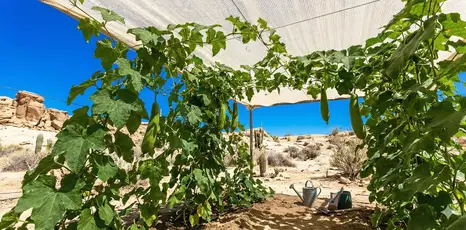
If you live in USDA zones 9, 10, or 11, you have a natural advantage for growing loofah from seed to sponge. These tropical vines evolved in hot, humid conditions, and your long growing season provides exactly what they need to produce abundant sponges. Florida, southern Texas, Arizona, and coastal California gardeners can grow loofah with less effort than their northern counterparts.
However, hot-climate growing comes with its own challenges. Extreme heat, intense sun, and managing water in desert conditions require specific strategies. This guide covers everything you need to know to maximize your loofah harvest in warm regions.
Essential Hot-Climate Growing Tools
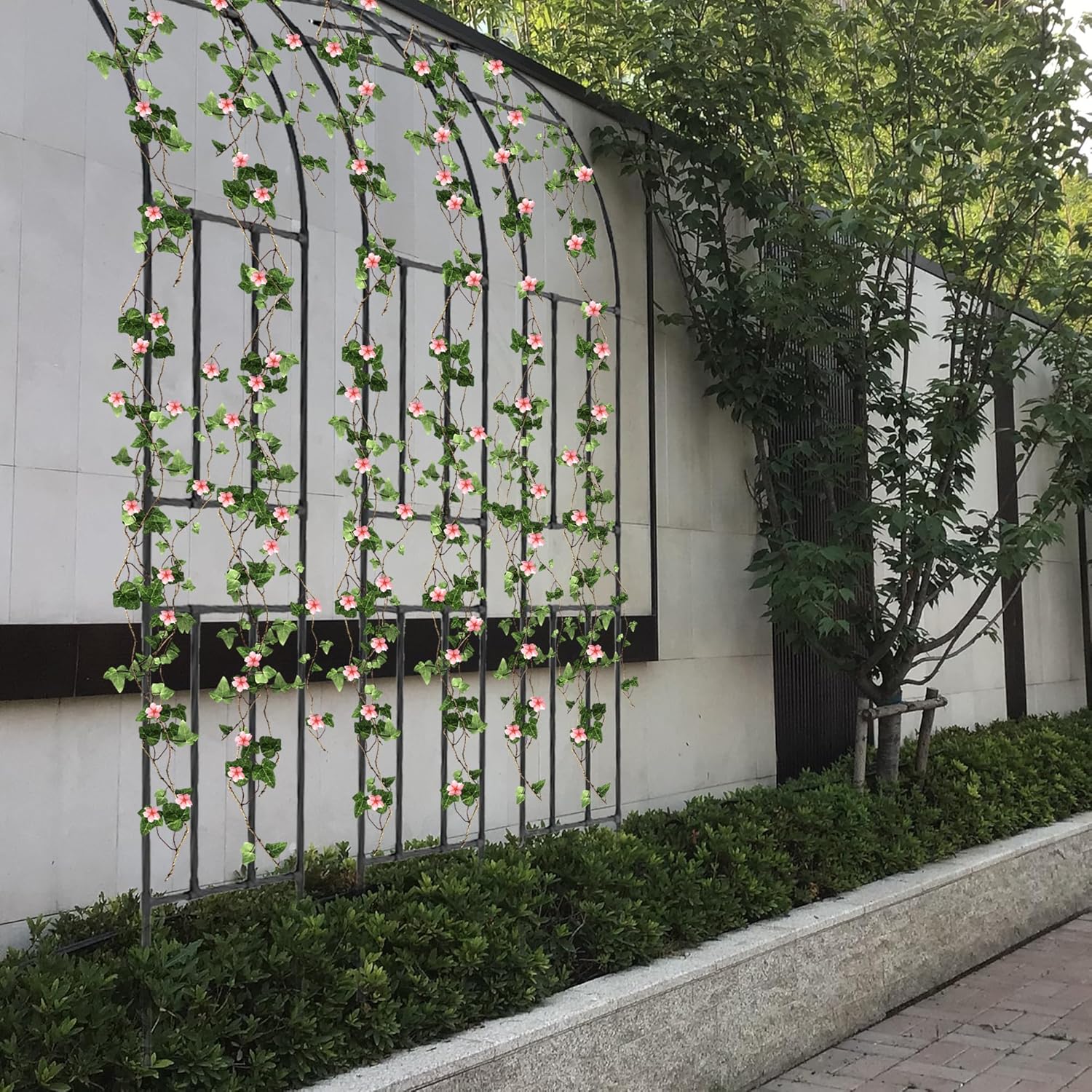
Twira Heavy-Duty Metal Garden Arch Trellis (7.9FT)
Rust-proof galvanized steel supports 100+ lbs of loofah vines - easy assembly with ground stakes
Buy on Amazon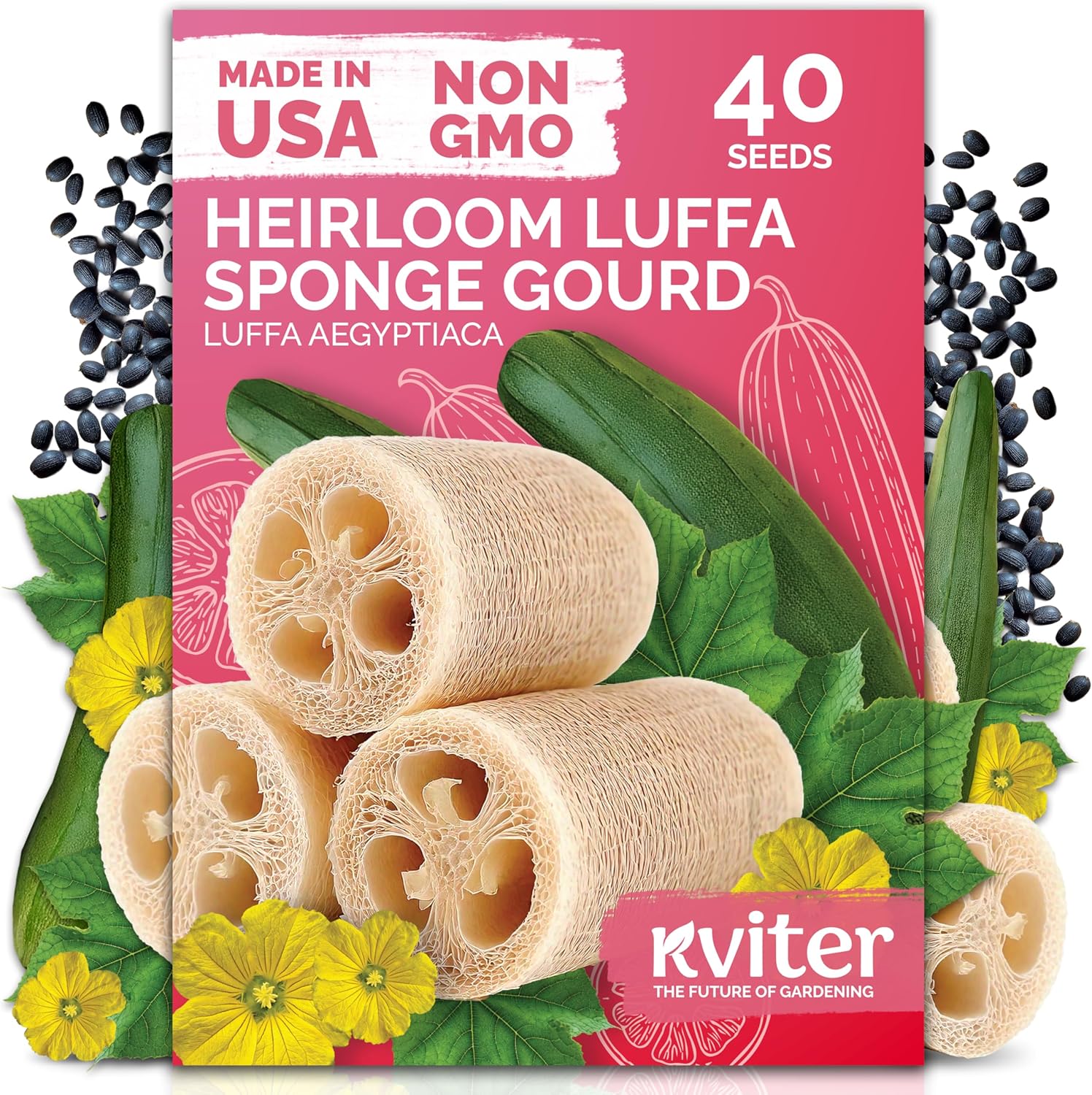
KVITER Heirloom Luffa Seeds (40 Count)
Fast-sprouting non-GMO seeds with 90%+ germination - grow your own natural sponges in one season
Buy on AmazonHot Climate Advantages
Hot climates offer significant benefits for loofah growers:
Extended Growing Season
200-365 frost-free days means no rush. Loofahs have time to fully mature on the vine.
Larger Harvests
Expect 15-25 sponges per plant vs. 5-10 in cooler zones.
Year-Round Potential
Zone 10-11 can grow two crops per year or maintain perennial vines.
Hot Climate Challenges
Even in ideal climates, you'll need to manage these issues:
Water Demands
Hot weather means more watering - up to 3 inches weekly during peak heat.
Sun Scorch
Intense afternoon sun can burn leaves and developing fruit.
Zone-by-Zone Growing Guide
Zone 9
Min: 20-30F
9-10 month season
Zone 10
Min: 30-40F
11-12 month season
Zone 11
Min: 40F+
Year-round growing
| Activity | Zone 9 | Zone 10 | Zone 11 |
|---|---|---|---|
| Plant Seeds | March-April | Feb-March or Aug | Any time |
| First Flowers | June-July | May-June | 60-80 days after planting |
| Harvest Period | Sept-November | Aug-December | Year-round |
| Special Strategy | Time for frost avoidance | Consider two crops/year | Grow as perennial |
Managing Extreme Heat

When temperatures regularly exceed 95F, loofah plants need extra care. Heat stress causes flower drop, poor pollination, and reduced fruit set. Here's how to protect your plants:
Afternoon Shade
- Shade cloth: Use 30-40% shade cloth during afternoon hours (2-6 PM)
- Natural shade: Plant on east side of buildings, fences, or trees
- Trellis positioning: Orient trellis east-west so vines create self-shade
- Timing: Remove shade when temps drop below 90F to maximize photosynthesis
Strategic Planting Timing
Time your planting so flowering doesn't occur during the hottest months:
- Spring crop: Plant early (Feb-March) so flowering occurs before extreme summer heat
- Fall crop: Plant July-August so flowering happens in cooler fall months
- Desert regions: Avoid May-August planting entirely
- Goal: Flowers should open when temps are below 90F for best pollination
- Wilting: Afternoon wilting is normal; morning wilting indicates stress
- Flower drop: Buds falling before opening = too hot
- Yellow leaves: Lower yellowing leaves may indicate heat + water stress
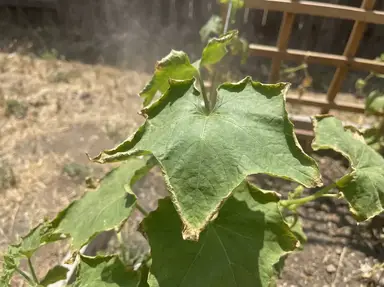
- Sunscald: White or tan patches on fruit facing intense sun
Watering Strategies for Hot Climates
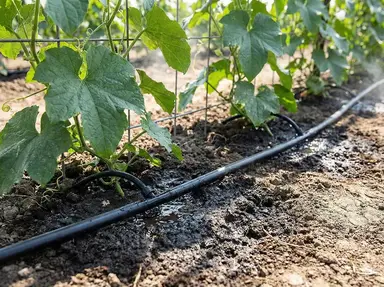
Proper watering and plant care is critical in hot climates. Loofah vines transpire heavily in heat, and inconsistent moisture causes blossom end rot and stunted fruit.
Hot Climate Watering Guide
- Amount: 2-3 inches per week during hot weather (vs. 1-2 inches in cool climates)
- Frequency: Water deeply every 2-3 days; daily for loofah in containers
- Timing: Early morning (6-8 AM) is best; evening watering can promote fungal issues
- Method: Drip irrigation or soaker hoses deliver water directly to roots
- Desert areas: May need daily watering during 100F+ heat
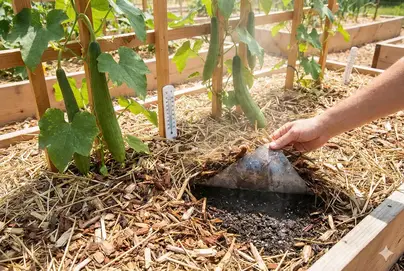
Mulching in Hot Climates
- Depth: 4-6 inches of organic mulch (more than cool-climate recommendations)
- Best materials: Straw, shredded bark, or wood chips (light-colored reflects heat)
- Avoid: Black plastic mulch (great for cold climates, too hot for zones 9-11)
- Benefits: Reduces soil temperature by 10-15F, cuts watering needs by 50%
- Refresh: Add more mulch as it breaks down through the season
Install a drip irrigation system on a timer. This ensures consistent watering even during vacations and delivers water directly to roots where it's needed most. Check out the best containers for hot climate growing.
Regional Growing Tips
Florida & Gulf Coast
Humidity is your friend here. The naturally moist air reduces heat stress compared to dry heat regions. However, watch for:
- Hurricane season: Secure trellises and have a plan to harvest early if storms threaten
- Humidity-related disease: Good airflow prevents powdery mildew and fungal issues
- Increased pest pressure: Monitor regularly for spider mites, aphids, and squash bugs
- Best planting: February-March for main crop; August for fall crop
Southern California & Desert Southwest
Low humidity and intense sun create unique challenges:
- Shade is essential: 30-40% shade cloth during peak hours
- Water efficiency: Drip irrigation + heavy mulch are non-negotiable
- Soil amendment: Desert soils need organic matter for water retention
- Best planting: March-April or late August-September
Texas & Southern Plains
Variable conditions require flexibility:
- Wind protection: Hot dry winds desiccate plants; plant near windbreaks
- Wide temperature swings: Mulch helps moderate soil temperature changes
- Alkaline soil: Add sulfur or compost to improve soil for loofah
- Best planting: April after last freeze; watch for late spring cold snaps
Growing Two Crops Per Year
In zones 10-11, your extended season allows for two complete loofah crops. Here's how to maximize your harvest:
Spring Crop
- Plant: Late February to early March
- Flowering: May-June (before extreme heat)
- Harvest: August-September
- Clear: Remove vines by late September
Fall Crop
- Plant: August to early September
- Flowering: October-November (cooler temps)
- Harvest: January-March
- Advantage: Fewer pests, excellent quality
Growing Loofah as a Perennial
In frost-free zone 11 (and sheltered zone 10b locations), loofah can survive year-round as a perennial vine:
- Established roots: Year-two vines produce faster and heavier than first-year plants
- Pruning: Cut back vines by 50-75% in late winter to encourage fresh growth
- Fertilizing: Feed monthly year-round with balanced fertilizer
- Pest management: Year-round vines can harbor pests; monitor closely
- Lifespan: Vines can produce for 3-5 years before productivity declines
Harvesting in Hot Climates
Hot climates have unique considerations for timing your loofah harvest:
Hot Climate Harvest Advantages
- Vine drying: Loofahs dry quickly on the vine in hot, dry weather
- No frost risk: No need to harvest early; let sponges fully mature
- Processing: Peeling is easier when skin is fully dried
- Storage: Low humidity means less mold risk during storage
Watch for These Issues
- Over-drying: In extreme heat, sponges can become brittle if left too long
- Sunscald: Exposed fruit may develop tough, discolored patches
- Rain damage: Monsoon seasons can rot drying loofahs; harvest before wet weather
- Pest damage: Birds and rodents may target seeds in dried pods
Common Hot Climate Mistakes
- Underwatering: The #1 mistake. Hot climates need 50-100% more water than recommendations for temperate zones
- Planting at peak heat: Avoid starting seeds May-July when 100F+ temps stress young plants
- Using black plastic mulch: Great for cold climates, but cooks roots in hot zones
- Ignoring afternoon shade: Direct sun over 95F causes flower drop and poor fruit set
- Assuming heat = success: Heat helps, but extreme heat harms. Management is key.
Expected Harvest
With proper care, hot-climate growers can expect excellent yields:
| Zone | Sponges Per Plant | Quality | Notes |
|---|---|---|---|
| Zone 9 | 12-20 | Excellent | Full vine drying possible |
| Zone 10 | 15-25 | Excellent | Potential for two crops |
| Zone 11 | 20-30+ | Excellent | Year-round production possible |
Compare this to cold climate growers who typically harvest 3-10 sponges per plant. Your hot climate is a major advantage - use it well!