
Saving loofah seeds is one of the easiest ways to ensure free plants year after year. Unlike many vegetables that require careful isolation to prevent cross-pollination, loofah seeds saved from your own harvest will produce plants true to type. With proper technique, you'll have enough seeds to plant for decades from just a few mature sponges.
This guide covers everything from selecting the best fruits for seed saving to long-term storage methods that maintain high germination rates. Whether you're a seasoned grower following our complete loofah growing guide or saving seeds for the first time, these techniques will ensure successful seed storage.
Seed Saving Essentials
KVITER Heirloom Luffa Seeds (40 Count)
Fast-sprouting non-GMO seeds with 90%+ germination - grow your own natural sponges in one season
Buy on Amazon
BN-LINK Seedling Heat Mat for Faster Germination
Cuts loofah germination time in half - waterproof design maintains optimal 75-85°F soil temperature
Buy on AmazonAs an Amazon Associate, we earn from qualifying purchases.
When to Save Loofah Seeds
Timing is crucial for saving viable seeds. Unlike harvesting loofahs for sponges, seed-saving requires fully mature fruit:
- Signs of readiness: Skin turns completely brown, fruit feels very light, and seeds rattle when shaken
- Timeline: 2-4 weeks longer on the vine than for sponge harvest
- Best candidates: First fruits to set (they have the longest maturation time before frost)
- Avoid: Green or partially brown fruits—seeds won't be fully developed and may have germination issues
Loofah (Luffa aegyptiaca) and ridged loofah (Luffa acutangula) can cross-pollinate if grown near each other. For pure seed, grow only one species, or isolate plants by at least 500 feet. Cross-pollinated seeds are still viable—the resulting plants may just show mixed characteristics.
Selecting Plants for Seed Saving
Save seeds from your best performers to improve your loofah stock over time:
- Vigor: Choose seeds from plants that grew most vigorously
- Early producers: Plants that fruited earliest are better adapted to your growing season
- Disease resistance: Skip plants that showed disease or pest problems
- Fruit quality: Large, well-formed loofahs with dense fiber structure
- Multiple plants: Save from at least 3-5 different plants to maintain genetic diversity
Step-by-Step Seed Harvesting
Step 1: Let Fruit Fully Dry
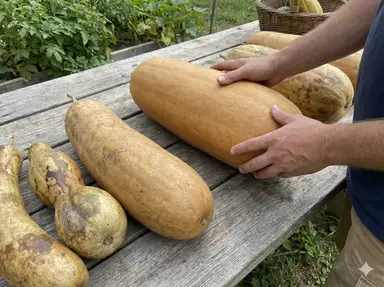
Leave selected loofahs on the vine until completely dry. The skin should be papery brown, and the fruit should feel significantly lighter than a fresh loofah. Seeds will rattle inside when shaken.
Don't rush this step—immature seeds won't germinate well. If frost threatens, cut with long stem and hang indoors to finish drying.
Step 2: Remove the Cap End
Look at the bottom (stem end) of the dried loofah. You'll see a circular cap that pulls away easily when the fruit is fully dry. Remove this cap to access the seed cavity. This is a key step in processing loofahs for both sponges and seeds.
The cap should pop off with gentle pressure. If it resists, the loofah may need more drying time.

Step 3: Shake Out the Seeds
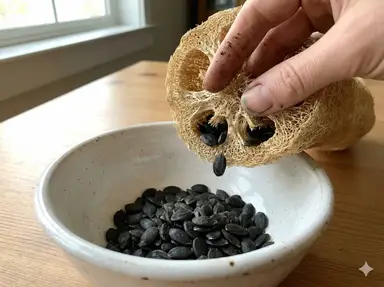
Hold the loofah upside down over a bowl and shake vigorously. Black, flat, tear-drop shaped seeds will fall out. You can also gently tap the loofah to dislodge stubborn seeds.
Expect 50-100+ seeds per mature loofah. Seeds are about 1/2 inch long and black when fully mature.
Step 4: Clean and Sort
Remove any debris, chaff, or immature seeds. Viable seeds are uniformly black and plump. Discard any that are shriveled, cracked, moldy, or light brown (immature).
Good seeds feel firm and solid. For a quick viability check, viable seeds sink in water (just be sure to dry them thoroughly before storing).

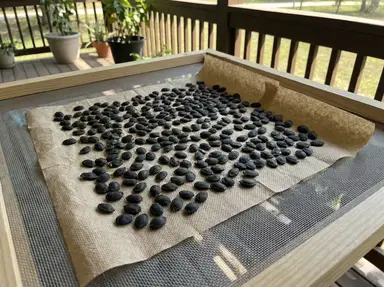
Step 5: Final Drying
Even from dry fruit, seeds benefit from additional drying before storage. Spread seeds in a single layer on a paper plate or screen for 1-2 weeks in a dry, well-ventilated area away from direct sunlight.
Seeds should feel completely hard and dry. Avoid heat sources that could damage germination.
Storing Loofah Seeds
Proper storage is key to maintaining high germination rates for years:
| Storage Method | Expected Viability | Best For |
|---|---|---|
| Paper envelope (cool, dark place) | 3-4 years | Short-term, easy access |
| Glass jar with silica gel packet | 4-5 years | Medium-term storage |
| Refrigerator (in airtight container) | 5-7 years | Long-term viability |
| Freezer (completely dry seeds) | 10+ years | Very long-term preservation |
Storage Best Practices
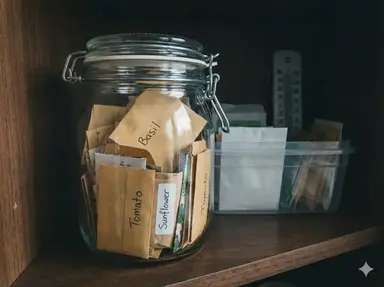
- Keep dry: Moisture is the enemy of seed viability; include silica gel packets
- Keep cool: 32-40°F (refrigerator) is ideal for long-term storage
- Keep dark: Light can trigger premature germination attempts
- Label clearly: Include variety name, harvest date, and number of seeds
- Avoid plastic bags: They can trap moisture; use paper inside airtight containers
- Test germination: Before planting stored seeds, sprout a few on a wet paper towel to check viability
- Save more than needed: Germination rates decline over time; save 2-3x what you plan to plant
- Share and trade: Loofah seeds are excellent for seed swaps and gifting
- Refresh stock: Even with good storage, save fresh seeds every 3-4 years

Testing Seed Viability
Before starting loofah seeds indoors from your saved collection, test germination:
- Wet a paper towel and wring out excess water
- Place 10 seeds on the towel, fold over, and seal in a plastic bag
- Keep in a warm location (75-85°F)
- Check after 7-14 days for sprouted seeds
- Calculate germination rate: 8 of 10 sprouted = 80% germination
If germination is below 70%, plant extra seeds to compensate, or consider starting fresh with new seeds. If you're experiencing issues, check our guide on troubleshooting germination problems.
Sharing and Trading Seeds
Loofah seeds make wonderful gifts and trade items:
- Seed swaps: Local gardening clubs often host seed exchange events
- Online communities: Reddit's r/seedswap and gardening forums facilitate trades
- Gifts: Package in decorative envelopes with growing instructions
- Selling: If growing organically, you can market seeds at farmers markets
Common Seed Saving Questions
Can I save seeds from store-bought loofahs?
Sometimes, but quality varies. Commercial loofahs are often heavily processed and bleached, which can damage seeds. Seeds from dried, unprocessed loofahs may be viable. Test germination before relying on them.
How many seeds should I save?
Save at least 20-30 seeds per planting year, plus extras for sharing and insurance against poor germination. One loofah provides 50-100+ seeds, so even one or two mature fruits gives plenty.
Will saved seeds produce the same quality sponges?
Yes, if you're growing only one variety and it wasn't cross-pollinated. Loofah seeds produce plants true to the parent. Selecting from your best producers each year can actually improve your strain over time.