
After putting months of effort into growing, harvesting, and processing your loofah crop, proper storage is the final critical step to protect your investment. Whether you've harvested a few sponges for personal use or dozens for sale or gifting, understanding optimal storage conditions ensures your loofahs remain fresh, mold-free, and ready to use for years to come.
This comprehensive guide covers everything from ideal storage containers and environmental conditions to troubleshooting common storage problems. We'll also explore the differences between storing processed sponges versus seeds, and share strategies for bulk storage when you're dealing with a large harvest. For complete context on the entire process, review our guides on drying loofah sponges and processing your harvest.
Recommended Growing Supplies
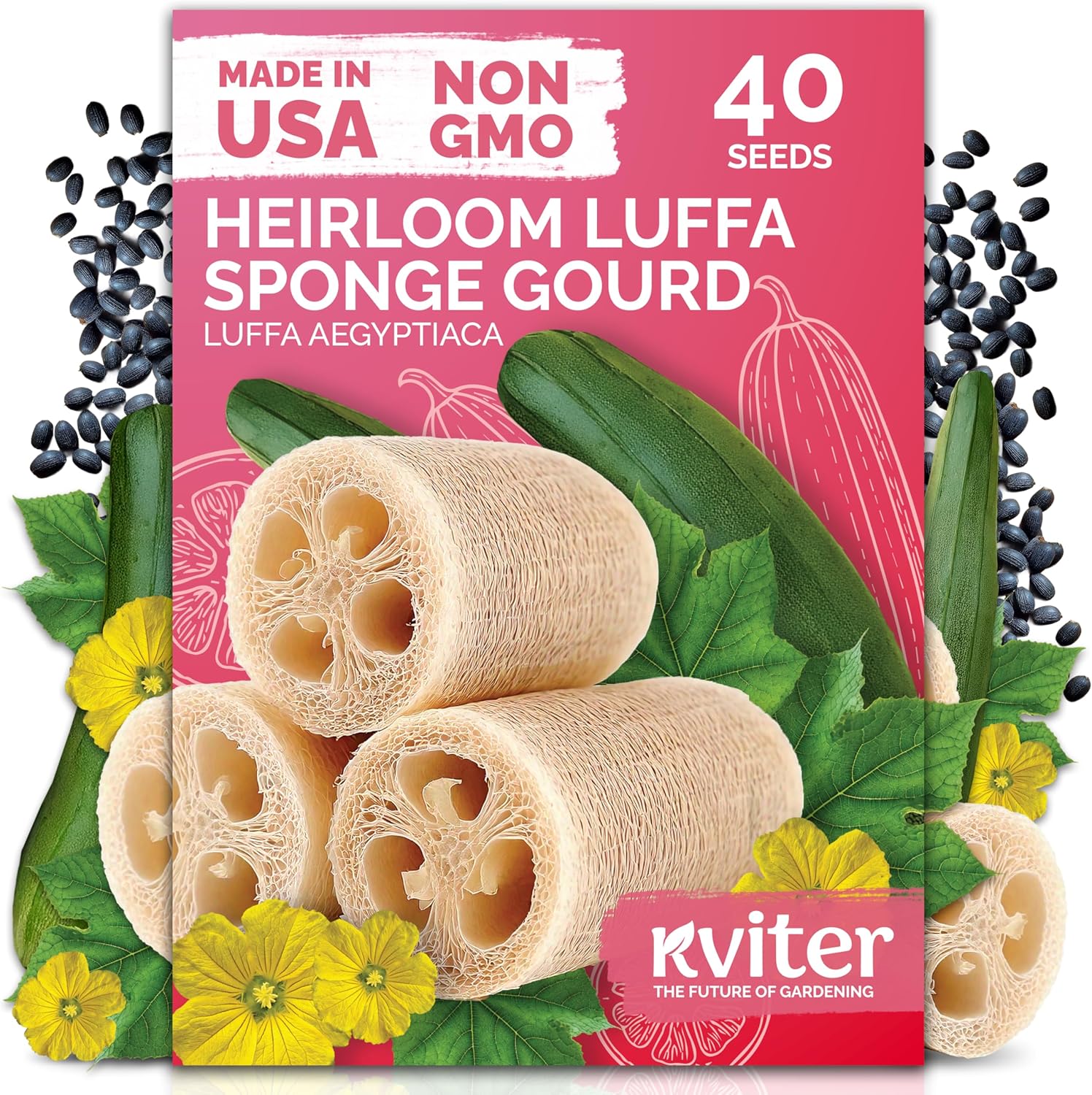
KVITER Heirloom Luffa Seeds (40 Count)
Fast-sprouting non-GMO seeds with 90%+ germination - grow your own natural sponges in one season
Buy on Amazon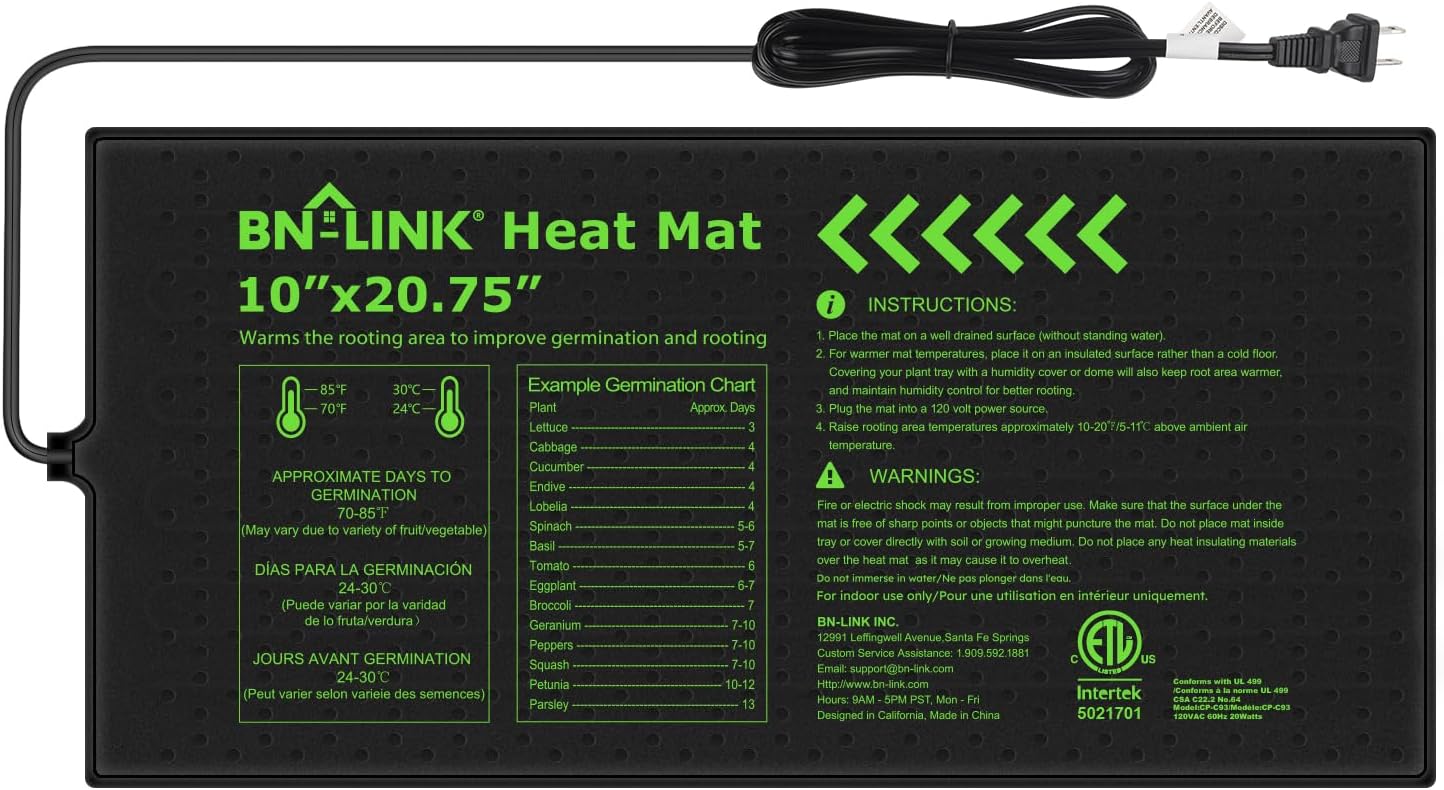
BN-LINK Seedling Heat Mat for Faster Germination
Cuts loofah germination time in half - waterproof design maintains optimal 75-85°F soil temperature
Buy on AmazonAs an Amazon Associate, we earn from qualifying purchases.
Ideal Storage Conditions
The key to long-term loofah storage success lies in maintaining the right environmental conditions. Loofah is a natural fiber that, like wood or paper, responds to its environment and can deteriorate if exposed to moisture, excessive heat, or pests.
- Temperature: Cool to room temperature (60-75°F / 15-24°C) is ideal
- Humidity: Keep below 60% relative humidity to prevent mold growth
- Avoid: Basements (too damp), attics (temperature fluctuations), bathrooms (high humidity)
- Best locations: Interior closets, pantries, climate-controlled storage rooms
- Tip: Use a hygrometer to monitor humidity levels in storage areas
- Darkness preferred: UV light causes yellowing and fiber breakdown over time
- Store away from windows: Even indirect sunlight can affect color
- Not critical for short-term: A few months of light exposure won't significantly damage sponges
- For commercial storage: Dark storage preserves premium appearance
- Natural bleaching note: If you've already done natural bleaching, some color change is normal

Storage Container Options
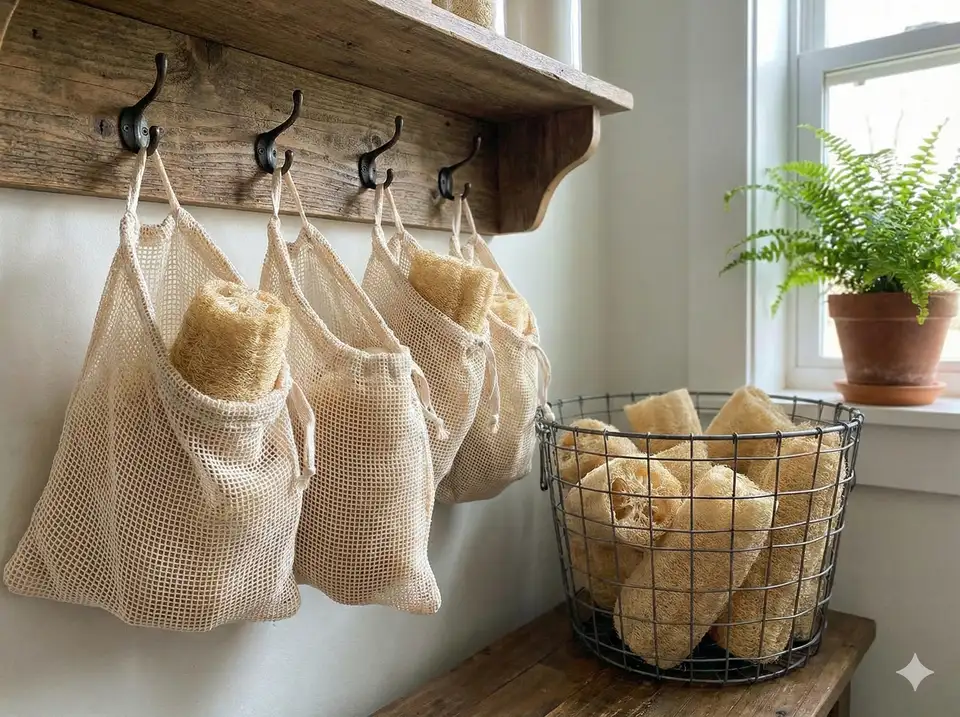
The container you choose for storing loofah sponges significantly impacts their longevity. The golden rule: breathability is essential. Loofah must be able to "breathe" to prevent any residual moisture from causing mold or mildew.
- Paper bags: Grocery bags or large paper sacks work perfectly; inexpensive and breathable
- Cardboard boxes: Ideal for larger quantities; don't seal completely, leave flaps slightly open
- Mesh bags: Produce bags or laundry bags allow maximum airflow
- Cotton pillowcases: Soft protection with excellent breathability
- Woven baskets: Great for accessible storage and decorative display
- Fabric bins: Canvas or burlap bins work well for organized storage
Airtight plastic containers, plastic bags, or vacuum-sealed packaging trap moisture and prevent air circulation. Even perfectly dried loofah can absorb atmospheric humidity, and without ventilation, trapped moisture leads to mold, mildew, and musty odors. If you must use plastic containers, drill ventilation holes and never seal them completely.
How Long Loofahs Last in Storage
One of the remarkable properties of properly processed and stored loofah is its exceptional shelf life. Unlike many natural materials, loofah doesn't have a strict expiration date when stored correctly.
| Storage Condition | Expected Shelf Life | Quality Notes |
|---|---|---|
| Optimal conditions (cool, dry, dark, breathable) | 5+ years | Maintains color and texture; essentially indefinite if completely dry |
| Good conditions (room temp, moderate light) | 2-3 years | Some yellowing may occur; fiber quality remains excellent |
| Poor conditions (humid or sealed plastic) | Months to 1 year | Risk of mold, odors, and deterioration |
| Unprocessed dried gourds | 10+ years | Skin protects fiber; can be processed when needed |
- Label everything: Mark containers with harvest date and any processing notes (bleached, unbleached, etc.)
- First in, first out: Use older loofahs before newer ones to maintain inventory rotation
- Leave unprocessed: Consider leaving some gourds unprocessed for even longer storage life
- Periodic checks: Inspect stored loofahs every 3-6 months for any signs of deterioration
Signs of Deterioration & When to Discard
While properly stored loofah can last for years, it's important to recognize when a sponge has deteriorated beyond usability. Regular inspection helps you catch problems early and prevents using compromised sponges.
Warning Signs
- Mold or mildew: Any visible black, green, or white fuzzy growth means immediate disposal
- Musty odor: A moldy or sour smell indicates bacterial or fungal contamination
- Excessive brittleness: Sponges that crumble or break apart easily have deteriorated
- Dark staining: Deep brown or black discoloration that wasn't present initially
- Sticky or slimy texture: Any moisture or tackiness suggests active decay
- Pest damage: Evidence of insects or rodent chewing means the entire batch may be compromised
Safe to Use
- Yellowing: Natural color change from light/age; doesn't affect function
- Light surface dust: Simply rinse before use
- Stiffness: Normal for dry storage; loofah softens when wet
- Slightly compressed shape: Returns to form when soaked in water

Storing Seeds vs Sponges
The storage requirements for loofah seeds differ significantly from processed sponges. If you're planning to save seeds for next year's planting, follow these specialized guidelines.
- Container: Unlike sponges, seeds need airtight containers (glass jars, plastic containers with tight lids)
- Desiccant: Add silica gel packets to absorb any residual moisture
- Temperature: Cool storage (40-50°F / 4-10°C) extends viability; refrigerator is ideal
- Labeling: Mark with variety name, harvest date, and source plant characteristics
- Viability: Loofah seeds remain viable for 3-5 years when properly stored
- Germination testing: Test a few seeds each year before planting season
Never store seeds and processed sponges together. Seeds require airtight moisture protection, while sponges need breathable containers. Additionally, storing them separately makes organization easier and prevents accidentally using seed-containing loofahs.
Bulk Storage for Large Harvests
If you're growing loofah commercially or processing dozens of gourds, bulk storage requires additional planning to maintain quality across larger quantities. Proper organization and airflow become even more critical.
Bulk Storage Best Practices
- Dedicated storage space: Designate a climate-controlled room or large closet exclusively for loofah storage
- Stacking strategy: Use ventilated shelving units rather than piling boxes directly on the floor
- Air circulation: Leave space between containers and walls; consider a small fan for persistent air movement
- Rotation system: Implement clear labeling and organization for first-in, first-out inventory management
- Quality grading: Separate premium, standard, and seconds-quality sponges for efficient sales or gift-giving
- Regular inspection: Monthly checks for bulk storage to catch any developing problems early
- Pest monitoring: Set traps or deterrents as rodents and insects can devastate large stored quantities
Commercial Packaging Considerations
For those selling loofahs or preparing them for market, storage intersects with packaging:
- Package shortly before sale: Store in bulk and package individual units as needed
- Breathable retail packaging: Use mesh bags, paper wrap, or ventilated boxes even for retail presentation
- Avoid shrink-wrapping: Tight plastic wrap creates moisture problems; if plastic is necessary, perforate generously
- Include care instructions: Educate customers about proper storage after purchase
For more details on processing large quantities efficiently, see our guide on batch processing loofah sponges.
Protecting Against Pests
Natural loofah fiber, unfortunately, can attract certain pests looking for nesting material or food sources. Proactive protection prevents devastating losses.
- Mice and rats: Avoid storage areas with rodent activity; use containers with secure (but ventilated) lids
- Insects: Moths and beetles may be attracted to plant fibers; cedar blocks or sachets act as natural deterrents
- Regular checks: Inspect for droppings, holes, or nesting materials monthly
- Cleanliness: Keep storage areas clean and free of food sources that attract pests
- Elevation: Store off the ground using shelves or pallets to limit rodent access
- Natural repellents: Peppermint oil, bay leaves, or cedar chips near (not in) storage containers
Storage Troubleshooting
Problem: Mold Developed in Storage
Cause: Insufficient drying before storage, high humidity, or lack of air circulation
Solution:
- Remove affected sponges immediately to prevent spread
- Inspect remaining sponges; lightly affected ones may be salvageable with re-washing and thorough drying
- Move remaining sponges to drier location with better ventilation
- Consider adding silica gel packets to new storage containers (in small breathable bags, not loose)
- Review your drying process to ensure complete moisture removal before storage
Problem: Yellowing or Browning
Cause: UV light exposure or natural aging
Solution:
- Cosmetic issue only; doesn't affect functionality
- Prevent further yellowing by moving to darker storage location
- Can be reversed with natural bleaching methods if desired
- For commercial purposes, store premium sponges in complete darkness
Problem: Musty Odor Without Visible Mold
Cause: Bacterial growth in humid conditions or incomplete drying
Solution:
- Air out affected sponges in sunlight for several hours
- Soak in white vinegar solution (1:4 vinegar to water) for 30 minutes, then thoroughly re-dry
- If odor persists after treatment, discard the sponges
- Improve storage area ventilation to prevent recurrence
Problem: Pest Damage Discovered
Cause: Rodents or insects accessing stored loofahs
Solution:
- Discard any sponges with visible damage or contamination (droppings)
- Thoroughly inspect all remaining sponges
- Address pest problem in storage area before returning loofahs
- Transfer to pest-proof containers with secure lids
- Consider relocating storage to a more secure area