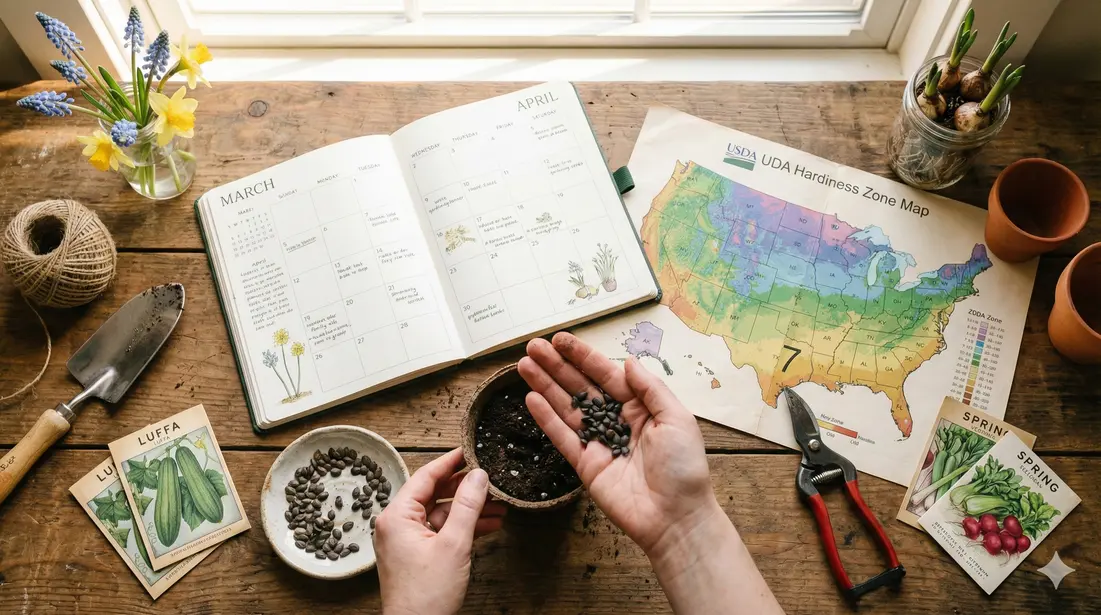
I've watched gardeners in Minnesota successfully grow loofah—and I've seen gardeners in Georgia fail completely. The difference wasn't skill or luck. It was timing.
Loofah is a tropical plant pretending it can handle temperate zones. It'll play along if you give it exactly what it needs: warm soil, no frost, and enough growing days for those gourds to fully mature and dry. Get the timing wrong by even two weeks, and you'll spend five months nurturing a vine that produces sponges too immature to use.
This guide gives you the specific planting dates for your zone—not vague ranges, but the actual windows that work. For the full growing guide, start there first. I'll also explain why these dates matter and how to adjust them for your particular microclimate.
Essential Planting Supplies
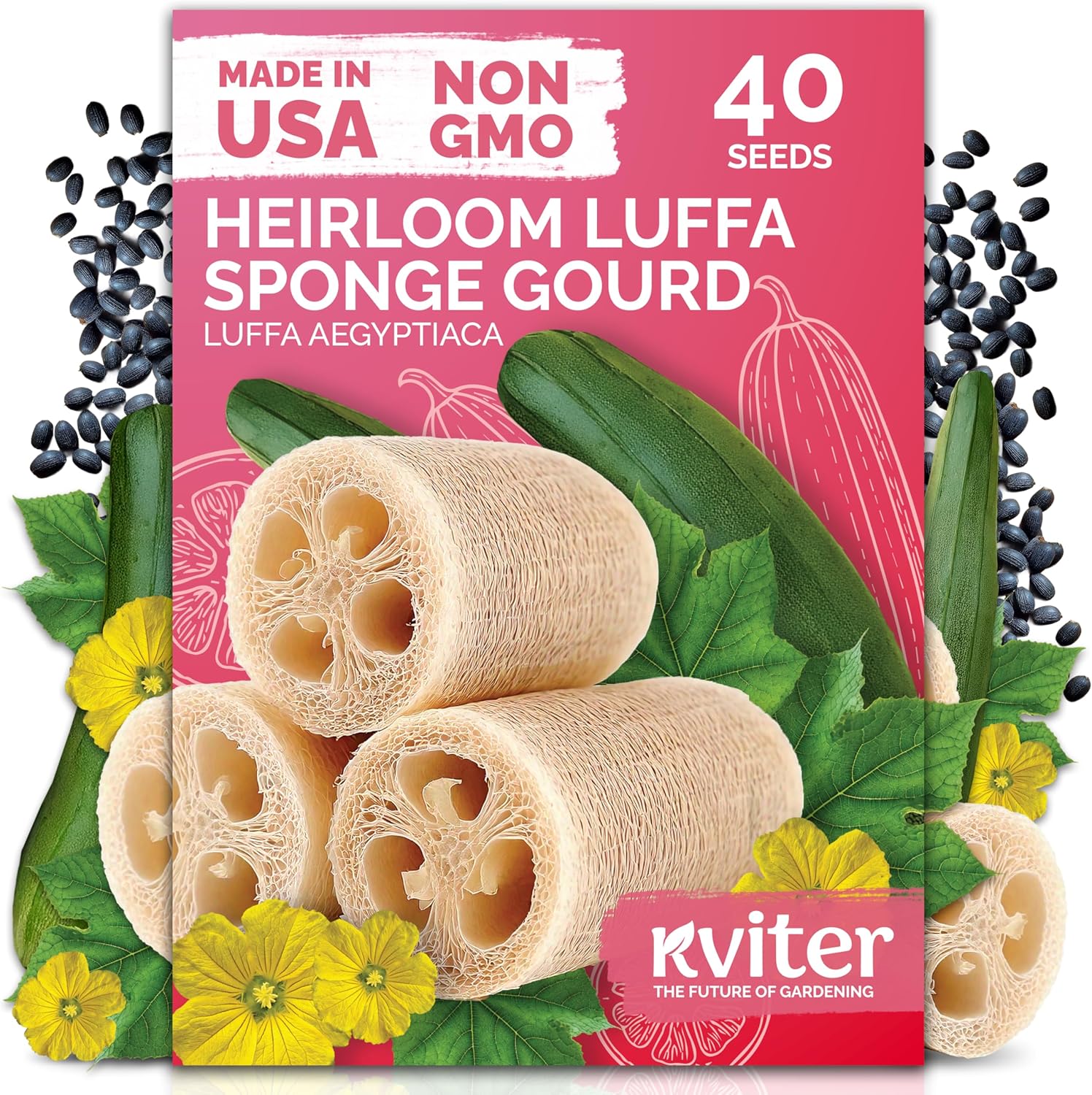
KVITER Heirloom Luffa Seeds (40 Count)
Fast-sprouting non-GMO seeds with 90%+ germination - grow your own natural sponges in one season
Check Price on Amazon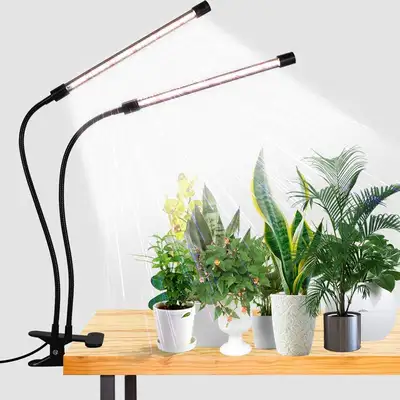
GooingTop Full Spectrum LED Grow Light with Timer
Start loofah seeds indoors months early - adjustable height and automatic timer for hands-free growing
Check Price on AmazonAs an Amazon Associate, we earn from qualifying purchases. See all our seed recommendations →
Why Timing Matters More for Loofah Than Most Crops
Most vegetables are forgiving. Plant tomatoes a week late? They'll still produce. Rush your cucumber seeds into cold soil? Some will germinate anyway. Loofah doesn't work like that.
The problem isn't growing the vine—that part's easy. The problem is getting fully mature sponges before frost kills everything. Here's what loofah demands:
- 150-200 frost-free days minimum: The gourds must dry on the vine until the skin turns papery brown. Harvest green and the fibers won't have developed. See how long loofah takes to grow for variety-specific timelines.
- Soil temperature of 65°F+ for transplants: Cold soil stunts roots and sets plants back weeks.
- Night temperatures above 55°F: Anything colder slows growth dramatically and can trigger flower drop.
- Zero frost tolerance: Even a light frost kills vines instantly. No amount of covering will save them once ice forms.
This is why I harp on timing. In zone 6, the difference between transplanting May 15 versus May 25 could mean the difference between 8 harvestable gourds and 3 half-mature ones that rot before they dry.
Complete Zone Planting Chart
Bookmark this table. These are the dates that consistently work for loofah growers across the country:
| Zone | Start Indoors | Transplant/Direct Sow | Harvest Window |
|---|---|---|---|
| Zone 5 | April 1-15 | June 1-10 | Oct 15 - Nov 15 |
| Zone 6 | March 25 - April 10 | May 15-30 | Oct 1 - Nov 1 |
| Zone 7 | March 15-30 | May 1-15 | Sept 15 - Oct 15 |
| Zone 8 | Optional: March 1-15 | April 1-20 | Sept 1 - Oct 15 |
| Zone 9 | Not needed | March 15 - April 15 | Aug 15 - Oct 1 |
| Zone 10 | Not needed | Feb 15 - April 1 | July 15 - Sept 15 |
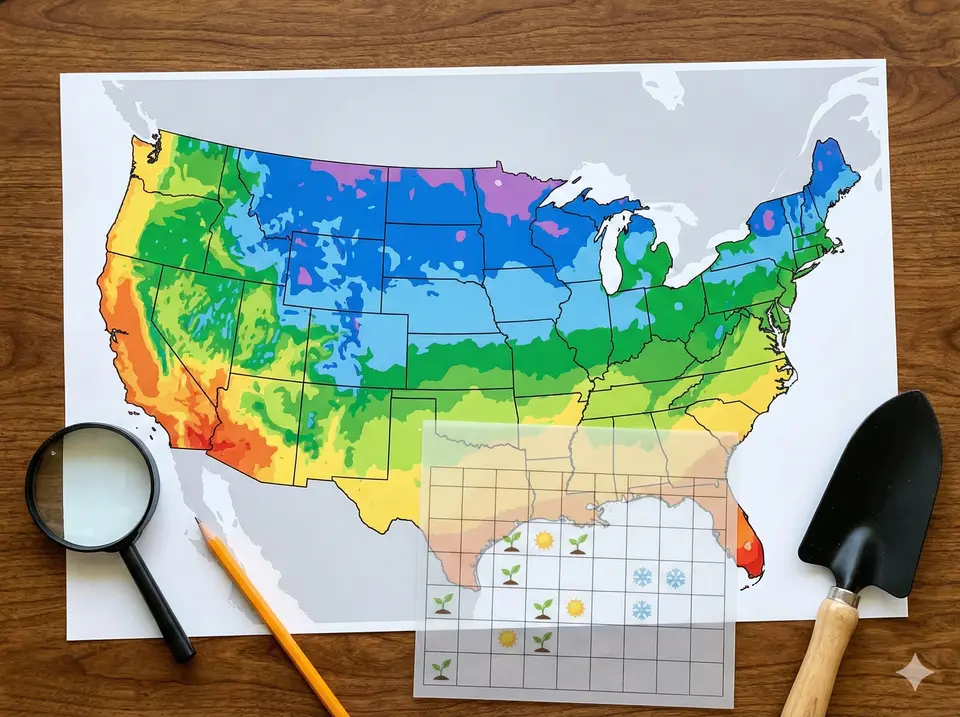
Zones 5-6: The Challenge Zones
If you're gardening in zones 5 or 6, I won't sugarcoat it: loofah is hard here. You're working with 130-160 frost-free days when the plant really wants 180+. But thousands of gardeners in these zones grow loofah successfully every year by maximizing every advantage. See our cold climate growing strategies for more tips.
Last frost: May 15-30
First frost: September 15-30
Your approach: Start seeds indoors April 1-15 under grow lights. Use black plastic mulch to warm soil before transplanting. Choose the warmest microclimate (south-facing wall). Have row covers ready for unexpected late frosts. Accept that you may harvest only 5-8 mature gourds per plant.
Last frost: April 30 - May 15
First frost: October 1-15
Your approach: Start seeds indoors March 25 - April 10. You have more flexibility than zone 5, but still need to start early. Transplant once soil hits 65°F—don't rush it. With good timing, expect 8-15 mature gourds per plant.
The Indoor Starting Process
For zones 5-7, starting seeds indoors isn't optional—it's mandatory. Check our seed starter kit recommendations if you need supplies. Here's the timeline:
- 4-6 weeks before last frost: Soak seeds overnight, then plant 1" deep in 4" pots. Use a heat mat to keep soil at 75-85°F.
- 2-3 weeks before transplant: Begin hardening off. Move seedlings outside for increasing periods each day.
- 1-2 weeks after last frost: Check soil temperature. Don't transplant until it consistently reads 65°F+.
- Transplant day: Plant in late afternoon to reduce transplant shock. Water deeply.
Zones 7-8: The Sweet Spot
Zones 7 and 8 are where loofah growing gets easier. You have enough frost-free days (170-200+) that timing mistakes are more forgiving, and in zone 8, you can often direct sow without starting indoors at all.
Last frost: April 15-30
First frost: October 15-30
Your approach: Start seeds indoors March 15-30 for earliest harvest, or direct sow after soil warms in late April. You have flexibility—even a slightly late start will produce mature gourds. Expect 10-20 gourds per plant.
Last frost: March 15 - April 1
First frost: November 1-15
Your approach: Direct sow outdoors April 1-20 once soil warms. Indoor starting is optional but can give you earlier harvests. With 200+ frost-free days, you have room for error. Expect 15-25 gourds per plant.
Zone 7-8 growers: your biggest decision is whether to start indoors or direct sow. Here's my recommendation:
- Start indoors if: You want the earliest possible harvest, you're growing for a specific purpose (gifts, craft fair), or you've had germination problems with direct sowing.
- Direct sow if: You prefer simplicity, you're not in a hurry, or you have limited indoor space/lighting.
Zones 9-10: Easy Mode
Growing loofah in zones 9 and 10 is about as close to "set and forget" as this plant gets. You have the long growing season loofah was designed for, and your main challenge isn't getting gourds to mature—it's managing an overly enthusiastic vine. Check our hot climate growing guide for managing heat stress.
Zone 9 (20-30°F winter lows): Direct sow March 15 - April 15. Frost is rarely a concern, but wait until soil warms to 65°F for best germination. Harvest August through October.
Zone 10 (30-40°F winter lows): Direct sow as early as February 15. With 280+ frost-free days, you could theoretically grow loofah year-round, though most gardeners stick to spring planting. Harvest July through September.
The Heat Factor
In zones 9-10, heat becomes a factor in a different way. Extreme heat (100°F+) can cause flower drop and slow fruit development. If you're in the desert Southwest or a particularly hot area:
- Provide afternoon shade during the hottest months
- Water more frequently—possibly daily
- Mulch heavily to keep roots cool
- Plant on the east side of a structure for morning sun, afternoon shade
Adjusting for Your Microclimate
Zone maps are averages. Your actual garden has microclimates that can shift your planting date by 1-2 weeks in either direction.
Factors That Let You Plant Earlier
| Microclimate Factor | Why It Helps | Adjustment |
|---|---|---|
| South-facing wall or fence | Reflects heat, protects from north winds | Plant 1 week earlier |
| Raised beds | Soil warms faster than ground level | Plant 5-7 days earlier |
| Urban heat island | Cities are 2-5°F warmer than rural areas | Plant 1-2 weeks earlier |
| Hilltop location | Cold air drains downhill | Plant 5-7 days earlier |
Factors That Mean Planting Later
- Low-lying areas (frost pockets): Cold air settles. Plant 1-2 weeks later than zone average.
- Shade from buildings or trees: Soil warms slower. Plant 1 week later.
- Heavy clay soil: Takes longer to warm. Plant 5-7 days later.
- North-facing slope: Less direct sun. Plant 1 week later.
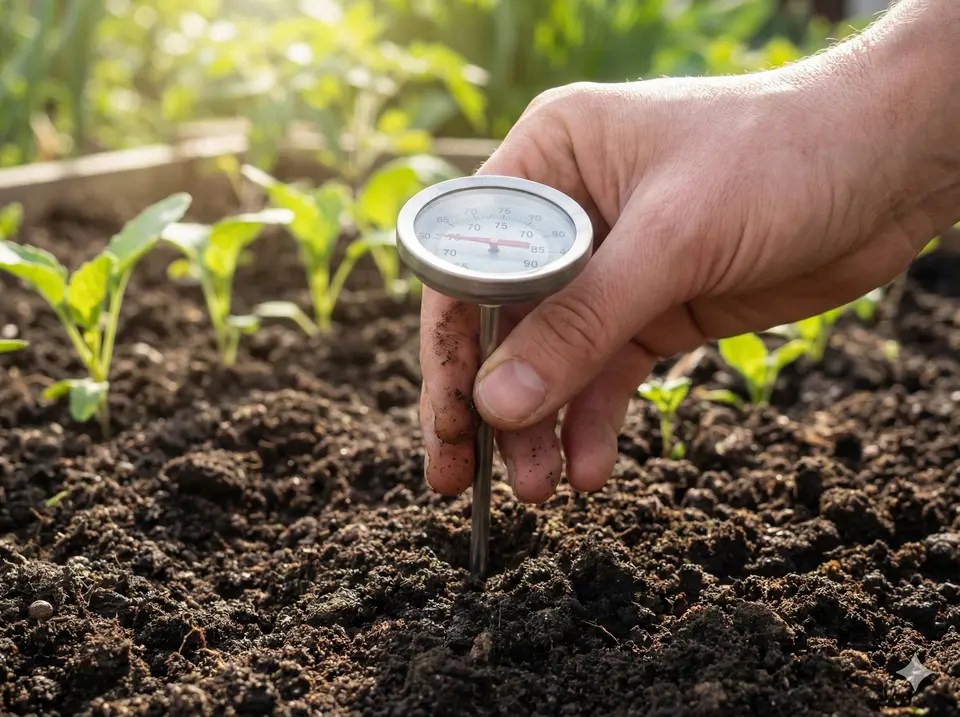
- Use a soil thermometer: Don't guess. Stick a thermometer 4" deep in your planting area. Wait for consistent 65°F readings.
- Watch the weather, not the calendar: A late cold snap can wipe out early transplants. Check the 10-day forecast before committing.
- Keep records: Note your planting dates and harvest results each year. After 2-3 seasons, you'll know your exact window.
- Have backup plans: Keep extra seedlings in case of late frost damage. It's easier to compost extras than to start over.
Frequently Asked Questions
What if I miss my planting window?
If you're 2-3 weeks late, you can still grow loofah—just expect fewer mature gourds. If you're more than a month late in zones 5-7, consider waiting until next year. In zones 8-10, you have more flexibility and can often plant as late as May.
Can I plant loofah seeds directly outside?
In zones 8-10, yes—direct sowing works great. In zones 5-7, you'll sacrifice 4-6 weeks of growing time, which often means immature gourds at frost. Start indoors in cold climates.
How do I know if my soil is warm enough?
Use a soil thermometer inserted 4" deep. Take readings in the morning when soil is coolest. Wait for consistent readings of 65°F or above before transplanting loofah seedlings.
What's the latest I can plant loofah?
Count back 150-200 days from your average first frost. That's your absolute latest planting date. For most zones, this means June is too late. In zone 10, you could plant as late as July for a late fall harvest.