
Replace plastic sponges, scrubbers, and cleaning tools throughout your home with natural, compostable loofahs. This comprehensive room-by-room guide shows you exactly how to make the switch and dramatically reduce your household plastic waste while actually improving your cleaning results.
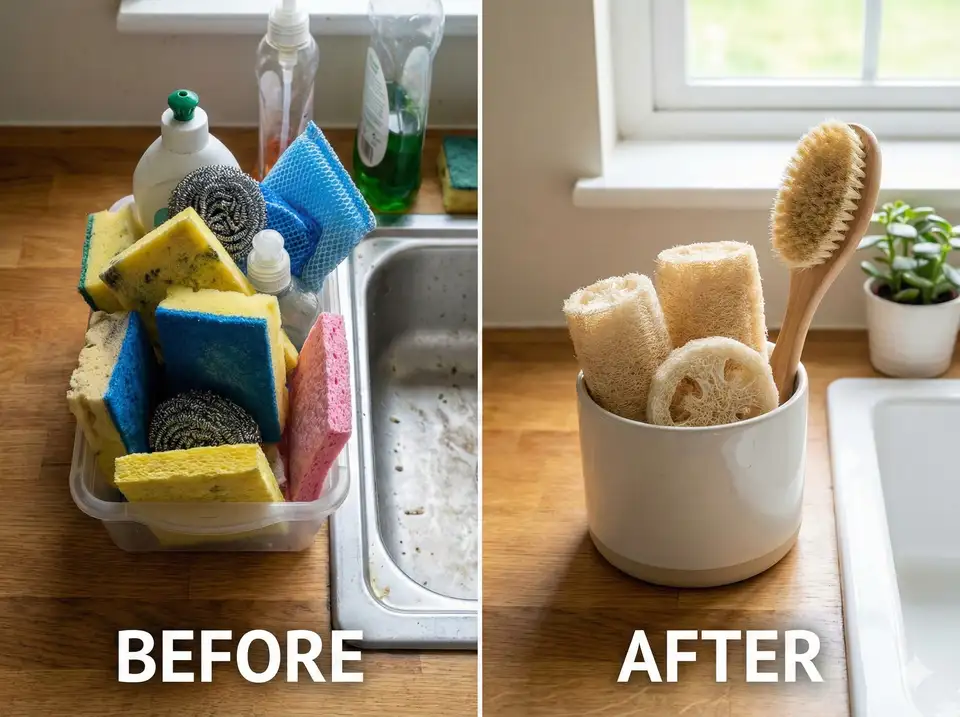
The average household uses dozens of plastic sponges, scrubbers, and cleaning tools each year - most of which end up in landfills where they'll persist for centuries. These synthetic products shed microplastics with every use, contaminating our water systems and eventually making their way into the food chain. Natural loofah offers a simple solution: a single plant can provide enough scrubbers for your entire home for a year, and when worn out, they compost in just 30 days, returning nutrients to the soil rather than pollution to the environment.
What many people don't realize is that the switch to natural loofahs isn't just an environmental choice - it's often a practical upgrade. Loofahs provide better scrubbing power than synthetic sponges, they don't harbor bacteria the way plastic poufs do, and they're significantly more cost-effective over time. A family that grows their own loofahs can save hundreds of dollars annually while eliminating one of the most wasteful categories of household products.
Whether you're just starting your plastic-free journey or looking to eliminate the last remaining plastic from your home, this guide will help you identify every opportunity to swap plastic for natural loofah. We'll cover every room in your house, explain exactly how to cut and prepare loofahs for different uses, and give you a practical roadmap for making the transition at your own pace.
Start Your Plastic-Free Journey
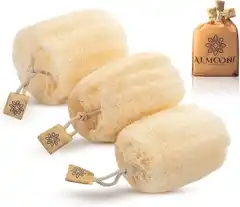
Almooni Egyptian Loofah Bath Sponges (3-Pack)
Premium thick-fiber natural loofahs - gentle exfoliation for all skin types - lasts 3-4 weeks each
Buy on Amazon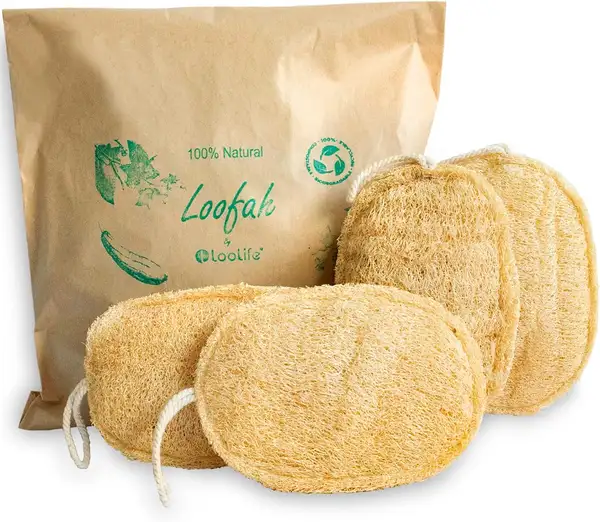
Natural Loofah Exfoliating Sponges (4-Pack)
100% organic biodegradable bath sponges - plastic-free alternative that's gentle on skin and planet
Buy on AmazonAs an Amazon Associate, we earn from qualifying purchases.
The Plastic Sponge Problem
The average household goes through 10-15 plastic sponges per year. That's over 400 million sponges ending up in landfills annually in the US alone - where they'll take 500+ years to decompose. And that's just sponges - add in plastic poufs, scrub brushes, and other cleaning tools, and the numbers become staggering.
What makes this particularly concerning is that plastic sponges can't be recycled. Their mixed-material construction (typically polyurethane foam with polyester scrubbing surfaces) makes them impossible to process at recycling facilities. Every plastic sponge ever made still exists somewhere on Earth, slowly breaking down into microplastics that contaminate soil and water.
The problem extends beyond landfills. Every time you use a plastic sponge, it sheds microscopic plastic fibers that wash down your drain and eventually reach waterways. Studies have found microplastics in tap water, bottled water, and even in the fish we eat. By switching to natural loofahs, you're not just reducing landfill waste - you're stopping microplastic pollution at its source.
| Statistic | Number | Why It Matters |
|---|---|---|
| Plastic Sponges in US Landfills | 400M+ yearly | Cannot be recycled |
| Plastic Decomposition Time | 500+ years | Releases microplastics as it breaks down |
| Loofah Composting Time | 30 days | Returns nutrients to soil |
| Loofahs Per Vine | 50+ | One plant = year's supply |
Loofahs offer a perfect solution: they're 100% natural, fully compostable, and can be grown at home. Unlike plastic sponges that shed microplastics into our waterways, loofahs break down completely and can even be composted when worn out. The natural fiber structure actually provides superior cleaning power compared to synthetic alternatives, and because loofahs dry quickly, they're naturally resistant to the bacterial growth that plagues plastic sponges.
The economic case for loofahs is equally compelling. While a single plastic sponge costs $2-4 and lasts a few weeks, a homegrown loofah costs essentially nothing and can last 4-8 weeks with proper care. Multiply that across all the cleaning tools in your home, and the savings add up to hundreds of dollars per year - all while reducing your environmental impact to nearly zero.
Easy Plastic-to-Loofah Swaps
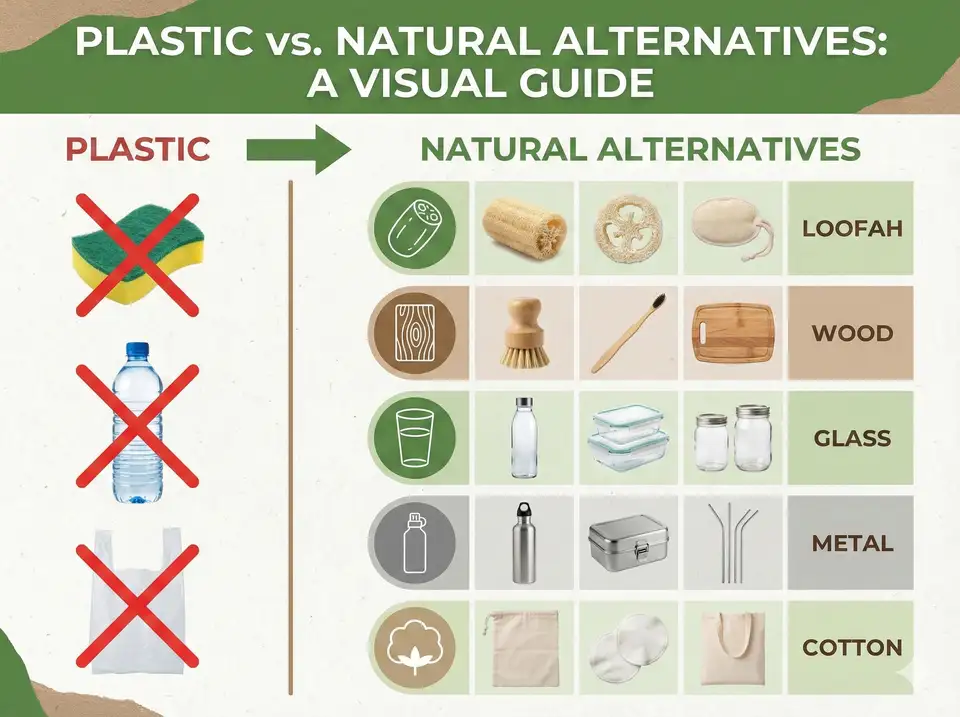
Transitioning to a plastic-free home doesn't have to be overwhelming. The key is to start with swaps that feel natural and work outward from there. Most people find that replacing their shower pouf or kitchen sponge is the easiest first step, since these are items you use daily and the improvement in quality is immediately noticeable.
Each swap below eliminates one more source of plastic waste from your daily routine. Don't try to change everything at once - instead, replace items as they wear out. This gradual approach means you're never throwing away functional items, and it gives you time to adjust to each change before moving on to the next.
| Plastic Item | Loofah Replacement | Use Case |
|---|---|---|
| Plastic pouf | Whole loofah sponge | Shower scrubber - better exfoliation, fully compostable |
| Kitchen sponge | Cut loofah rectangle | Dish sponge - scrubs effectively without scratching |
| Plastic scrub brush | Thick loofah section | Cleaning scrubber - safe on most surfaces |
| Plastic seed pots | Loofah rings | Seed starters - biodegradable, plant directly in soil |
The beauty of natural loofahs is their versatility. One whole loofah can be cut into multiple tools for different purposes - a body scrubber, several dish sponges, a pot scrubber, and more. This means your initial investment goes much further than buying separate plastic products for each use case, and you generate far less packaging waste in the process.
Room-by-Room Guide
Every room in your home likely contains plastic cleaning tools that can be replaced with natural loofah. Once you start looking with fresh eyes, you'll be surprised how many opportunities there are to eliminate plastic. The key is understanding which type of loofah cut works best for each application - soft and thin for delicate uses, dense and thick for heavy-duty scrubbing.
Below we've broken down the most common loofah applications room by room. For each use case, we've included tips on which part of the loofah works best and how to prepare it. Remember that loofahs from different parts of the gourd have different densities - the center is typically denser and more abrasive, while the outer sections are softer and gentler.
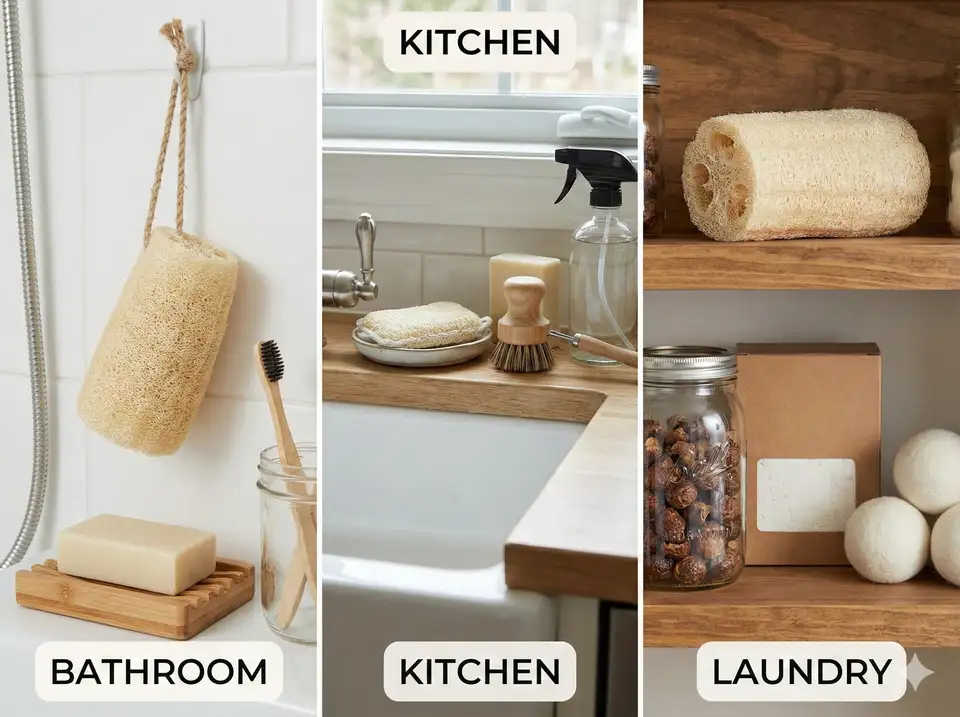
Bathroom Applications
The bathroom is where most people start their plastic-free loofah journey, and for good reason. Shower poufs and bath sponges are some of the most frequently replaced plastic items in any home, and they're the easiest to swap. Natural loofahs actually outperform plastic poufs for exfoliation, and they dry faster, which means less bacterial growth between uses. The key to a good bathroom loofah is soaking it for a minute or two before use to soften the fibers - this makes all the difference for sensitive skin. For a complete guide to bathroom plastic elimination, check out our zero-waste bath routine.
- Body scrubber: Whole loofah or large section for daily exfoliation. Soften in water before use for sensitive skin.
- Face pad: Thin slice of soft loofah for gentle facial exfoliation. More effective than plastic exfoliating pads.
- Soap rest: Flat loofah slice under bar soap keeps it dry, extends soap life, and replaces plastic soap dishes.
- Tile cleaner: Sturdy loofah section scrubs soap scum and mildew from tiles without harsh chemicals.
- Tub scrubber: Large loofah piece for cleaning bathtub surfaces. Won't scratch acrylic or enamel.
Bathroom loofahs should be hung to dry completely between uses. Good air circulation prevents mold and extends the life of your loofah significantly. If your bathroom is particularly humid, consider keeping your loofah outside the shower area when not in use.
Kitchen Applications
The kitchen is where loofahs truly shine as a plastic replacement. Standard plastic sponges are notorious for harboring bacteria - studies have found that kitchen sponges can contain more bacteria per square inch than a toilet seat. Loofahs solve this problem because their open fiber structure allows them to dry completely between uses, preventing the bacterial growth that thrives in perpetually damp synthetic sponges. For detailed guidance on plastic-free kitchen sponges, see our dedicated dish scrubbing guide.
For kitchen use, cut your loofahs into practical rectangles that fit comfortably in your hand. The denser center sections are best for scrubbing pots and pans, while the softer outer sections work well for everyday dish washing. Keep two or three loofah sponges in rotation so each one has time to dry completely before its next use.
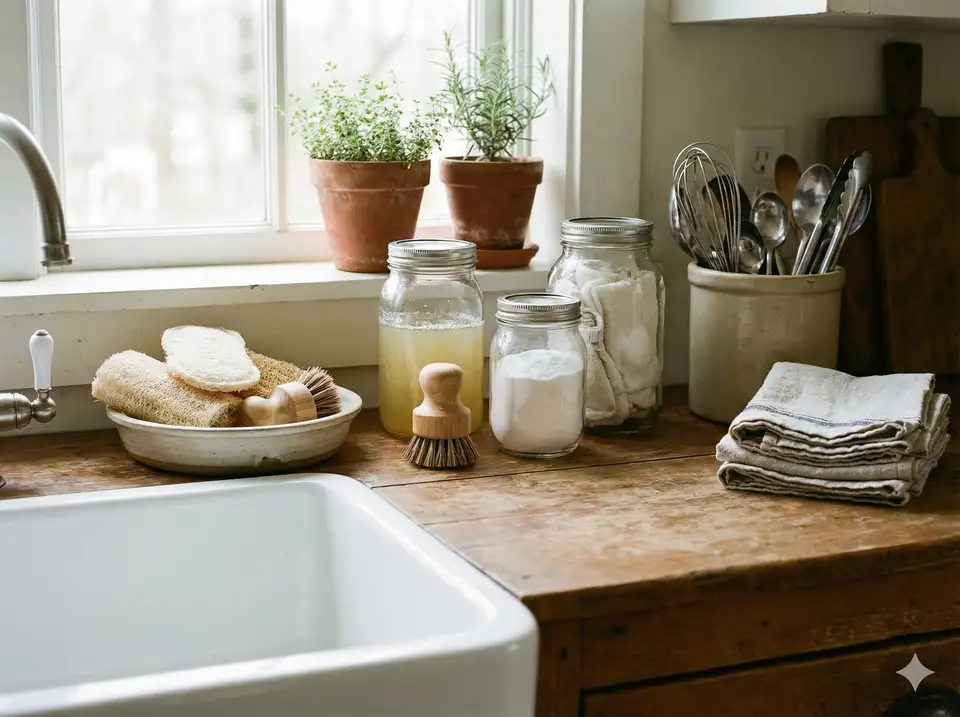
- Dish sponge: Cut 3x4 inch rectangles for everyday dish washing. Handles grease well with dish soap.
- Pot scrubber: Dense loofah sections tackle stuck-on food. Safe for non-stick surfaces when used gently.
- Vegetable scrubber: Small loofah piece cleans potatoes, carrots, and root vegetables under running water.
- Counter cleaner: Damp loofah with all-purpose cleaner wipes down countertops effectively.
- Stovetop cleaner: Helps remove cooked-on spills without scratching glass or ceramic cooktops.
Kitchen loofahs can be sanitized weekly by boiling them for 2-3 minutes or running them through the dishwasher. This extends their useful life and ensures they stay hygienic for food-related tasks.
General Cleaning Applications
Beyond the bathroom and kitchen, loofahs have dozens of applications throughout your home and even outdoors. Their natural abrasiveness makes them effective cleaners without the risk of scratching most surfaces, and their compostability means you can use them guilt-free for dirty jobs and simply compost them when they're worn out. For more on natural cleaning throughout the house, check our surface cleaning guide.
For outdoor and heavy-duty cleaning tasks, use the densest sections of your loofahs - these can handle tough scrubbing without falling apart. Many people keep a separate set of "dirty job" loofahs for outdoor furniture, grills, and garden tools, composting them when they get too worn rather than trying to clean them.
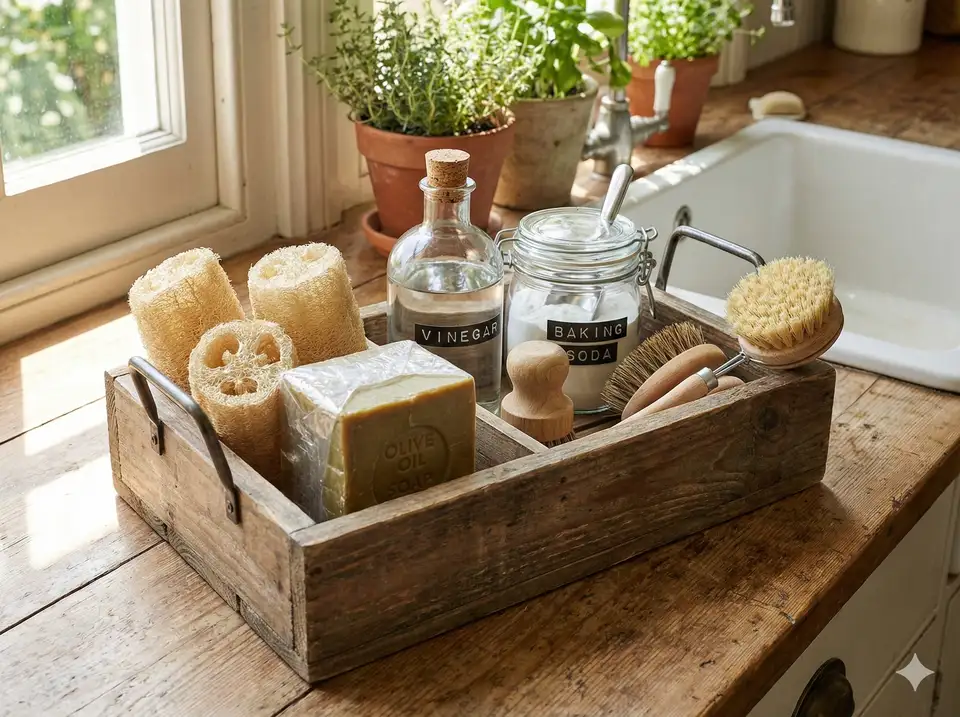
- Window cleaner: Wet loofah removes grime; dry cloth buffs to shine. No microplastics left behind.
- Outdoor furniture: Scrubs patio furniture, planters, and garden tools without harsh abrasives.
- Car cleaning: Gentle enough for car exteriors, tough on bug splatter and road grime.
- Grill scrubber: Dense loofah sections clean BBQ grates. Pre-heat grill for easier cleaning.
The best part about using loofahs for outdoor cleaning? When they're too worn for indoor use, they get a second life as outdoor scrubbers before eventually being composted. Nothing goes to waste.
Cutting Your Loofahs for Different Uses
One whole loofah can be cut into multiple cleaning tools, maximizing your investment and reducing waste. A typical 12-inch loofah can easily yield two body scrubbers, four dish sponges, a couple of pot scrubbers, and several specialty pieces - all from a single gourd. The key is planning your cuts strategically to get the most use from each loofah.
Before cutting, examine your loofah to understand its structure. The center tends to be denser and more tightly packed - this is ideal for heavy-duty scrubbing applications. The outer sections are softer and more porous, better suited for body care and delicate surfaces. By matching the right density to each application, you'll get better performance and longer life from your loofahs.
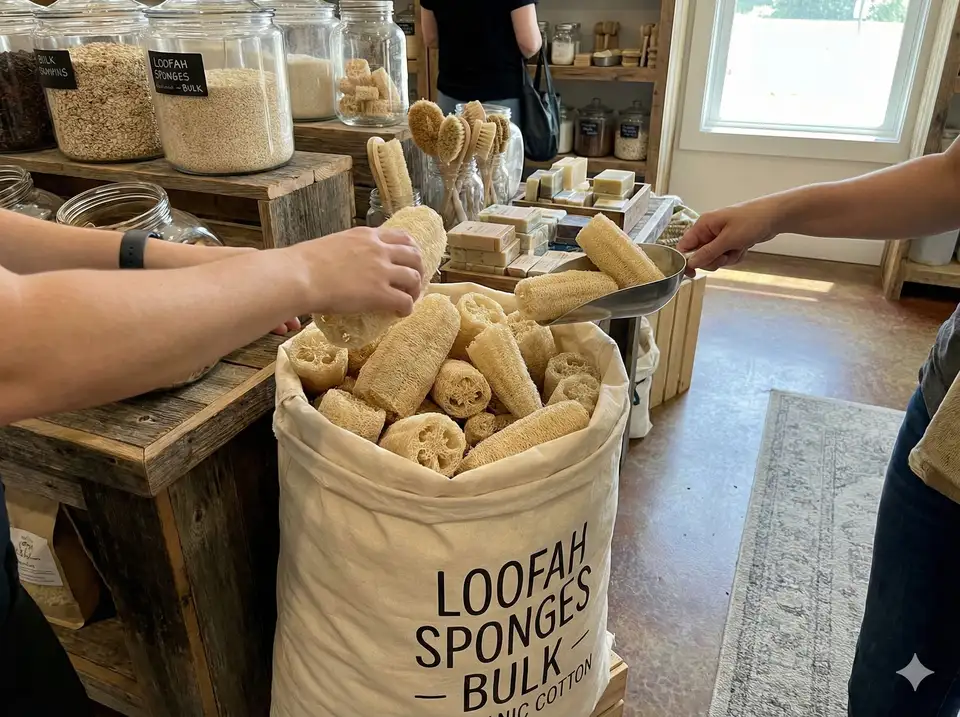
- 2-inch thick rounds: Body scrubbers and bath sponges - keep the shape intact for easy grip
- 1-inch thick rounds: Dish sponges and general cleaning - the most versatile cut
- ½-inch slices: Soap rests, coasters, and facial pads - thin enough to dry quickly
- Lengthwise quarters: Long scrubbers for bottles and vases - reach where hands can't
- Small cubes: Pot scrubbers and vegetable cleaners - easy to grip for detailed work
Use a sharp serrated knife and cut when the loofah is dry for clean edges. A bread knife works perfectly for this purpose. Wet loofahs compress when cut, resulting in uneven edges and wasted material. For detailed cutting instructions and techniques, including how to handle loofahs of different sizes and densities, see our complete cutting guide.
- Mark before cutting: Use a marker to plan your cuts and avoid waste
- Save the scraps: Small pieces make great seed starters or can be added directly to compost
- Remove the inner core: The hollow center can be cut into rings for soap rests
- Store dry: Keep uncut portions in a dry place - they'll last indefinitely until needed
Plastic-Free Home Checklist
Transitioning to a plastic-free home is a journey, not a destination. Most people find it helpful to approach the change systematically, tackling one room or one category at a time. This checklist gives you a clear roadmap for eliminating plastic cleaning tools from your home, starting with the easiest wins and building toward complete plastic freedom.
Use this checklist to track your progress as you eliminate plastic cleaning tools from your home. Each item you replace is one less piece of plastic that will end up in a landfill. Don't worry about completing everything quickly - the goal is steady progress, not perfection.
- Replace shower pouf with loofah
- Switch to loofah dish sponges
- Create loofah pot scrubbers
- Use loofah for bathroom cleaning
- Make vegetable scrubbers
- Create soap rests from thin loofah slices
- Set up composting for worn loofahs
- Start growing your own loofahs
Don't feel pressured to make all these changes at once. Replace items as they wear out, and you'll transition to a plastic-free home naturally over time. The key is consistency - every swap makes a difference. Most families find they can complete this checklist within a year just by replacing plastic items with loofah alternatives as the plastic versions wear out.
Once you've completed the basics, you might find yourself looking for more ways to use loofahs. That's the point where many people decide to grow their own loofahs - not just to save money, but because they've discovered how versatile and effective these natural sponges really are. Growing your own provides a zero-packaging home supply that's completely free after the initial seed cost.